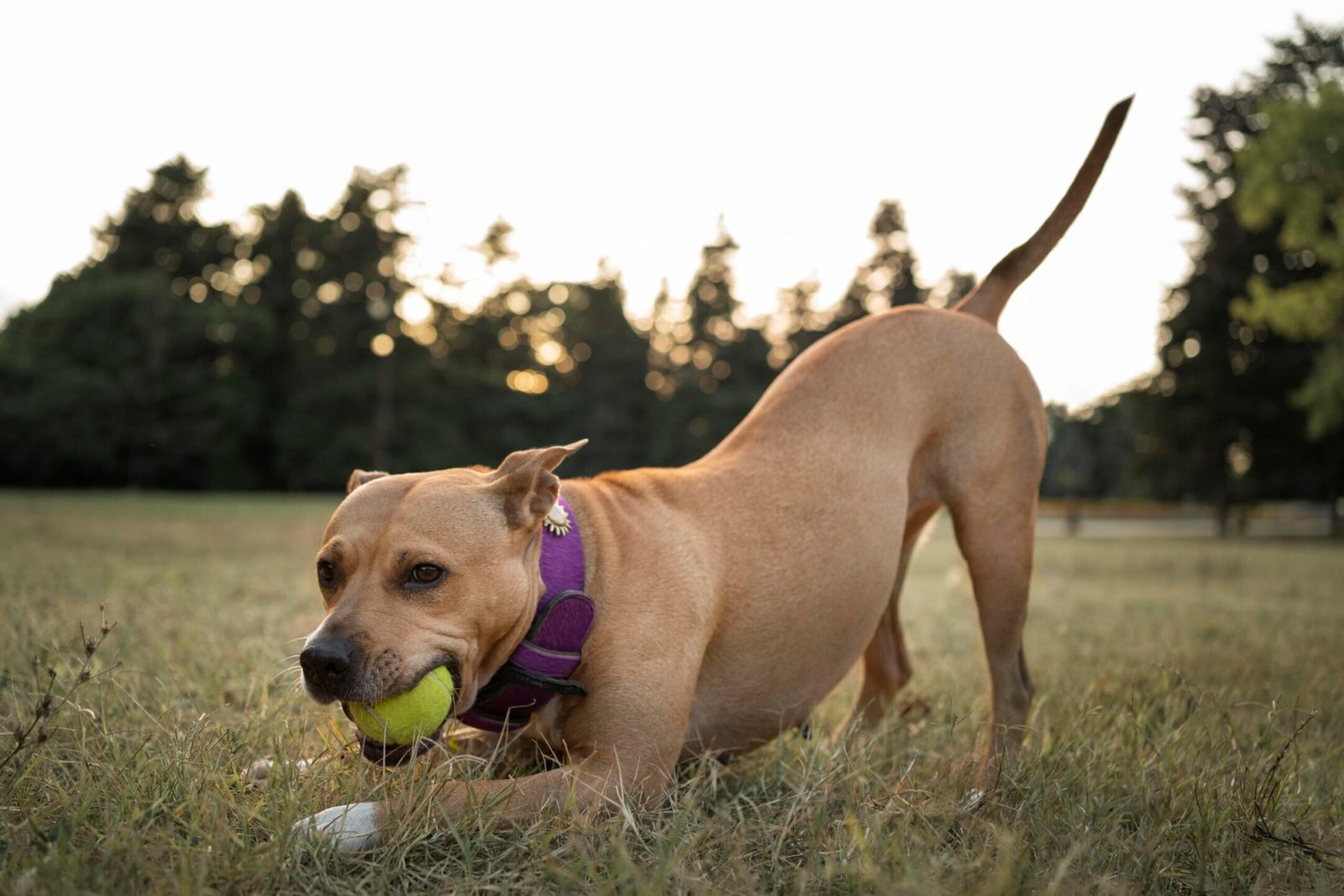
Exercise is a crucial, yet often misunderstood, aspect of dog ownership. Insufficient exercise can result in boredom, destructive behaviour, and health problems. Excessive or inappropriate exercise may cause injuries and long-term joint issues.
How much exercise does your dog need? The answer varies. Below is a practical, easy-to-follow guide.
Why Exercise Matters More Than Just “Burning Energy”
Exercise isn’t just about tiring your dog out. Regular, appropriate activity helps with:
- Physical health – maintaining a healthy weight, muscle tone, and joint function
- Mental stimulation – reducing boredom, anxiety, and destructive behaviour
- Behaviour and training – calmer dogs are easier to train and live with
- Overall well-being – better sleep, appetite, and mood
A well-exercised dog is typically a happier and more balanced dog.
General Exercise Guidelines (By Age)
Puppies (Up to 12 Months)
Puppies need frequent but gentle exercise. Their bones and joints are still developing, so over-exercising can cause long-term damage.
General rule:
- About 5 minutes of structured exercise per month of age, up to twice a day
Examples:
- 3-month-old puppy → 15 minutes per walk
- 6-month-old puppy → 30 minutes per walk
Focus on:
- Short walks
- Playtime
- Basic training games
Avoid:
- Long hikes
- Repetitive running
- Excessive stair climbing
Adult Dogs (1–7 Years)
Most healthy adult dogs require at least 1–2 hours of daily activity, depending on their breed and energy level.
This doesn’t have to be one long walk. A mix works best:
- Walks
- Play (fetch, tug, games)
- Training sessions
- Mental enrichment (puzzle toys, scent games)
Senior Dogs (7+ Years)
Older dogs still need daily exercise, but at a slower pace.
Aim for:
- Shorter, more frequent walks
- Gentle play
- Low-impact activities
Watch for:
- Stiffness
- Slowing down
- Reluctance to walk
Adjust exercise based on comfort, not age alone.
Exercise Needs by Energy Level
Low-Energy Dogs
Examples: Bulldogs, Basset Hounds, Shih Tzus
- 30–60 minutes per day
- Short walks and light play
- Mental stimulation is especially important.
Medium-Energy Dogs
Examples: Labradors, Beagles, Cocker Spaniels
- 60–90 minutes per day
- Brisk walks, play sessions, basic training
- Enjoy variety more than intensity.
High-Energy Dogs
Examples: Border Collies, Huskies, German Shepherds
- 90–120+ minutes per day
- Need both physical and mental exercise.
- Running alone is not enough — training and problem-solving are essential.
Without enough stimulation, these dogs often develop behavioural problems.
Mental Exercise Counts Too
Mental stimulation can be just as tiring as physical exercise.
Great options include:
- Training sessions
- Puzzle feeders
- Scent work and hide-and-seek
- Learning new commands
Ten minutes of focused mental work can be equivalent to a long walk for some dogs.
Signs Your Dog Isn’t Getting Enough Exercise
- Destructive chewing or digging
- Excessive barking
- Hyperactivity indoors
- Weight gain
- Restlessness or pacing
These behaviours are often mistaken for “bad behaviour” when they’re actually signs of unmet needs.
Signs of Too Much Exercise
Yes — over-exercising is possible, especially in puppies and seniors.
Watch for:
- Limping or stiffness
- Reluctance to move
- Excessive panting
- Soreness the next day
If in doubt, reduce intensity and speak to your vet.
Tailor Exercise to Your Dog
There’s no one-size-fits-all answer. The right amount of exercise depends on:
- Age
- Breed and size
- Health and joint condition
- Personality and energy level
Pay attention to how your dog behaves after exercise. A well-exercised dog should be calm, content, and relaxed, not exhausted or overstimulated.
Final Thoughts
Exercise isn’t about wearing your dog out — it’s about meeting their physical and mental needs in a safe, balanced way. When exercise is right for your dog, everything else tends to fall into place: behaviour improves, stress decreases, and quality of life goes up.
If you’re ever unsure, start small, observe your dog, and adjust gradually. Your dog will tell you what they need — you just have to learn how to listen 🐾
Go here to access the Dog Daily Exercise Calculator
Leave a Reply to How to Dog-Proof Your Home – Practical Dog Gear Cancel reply