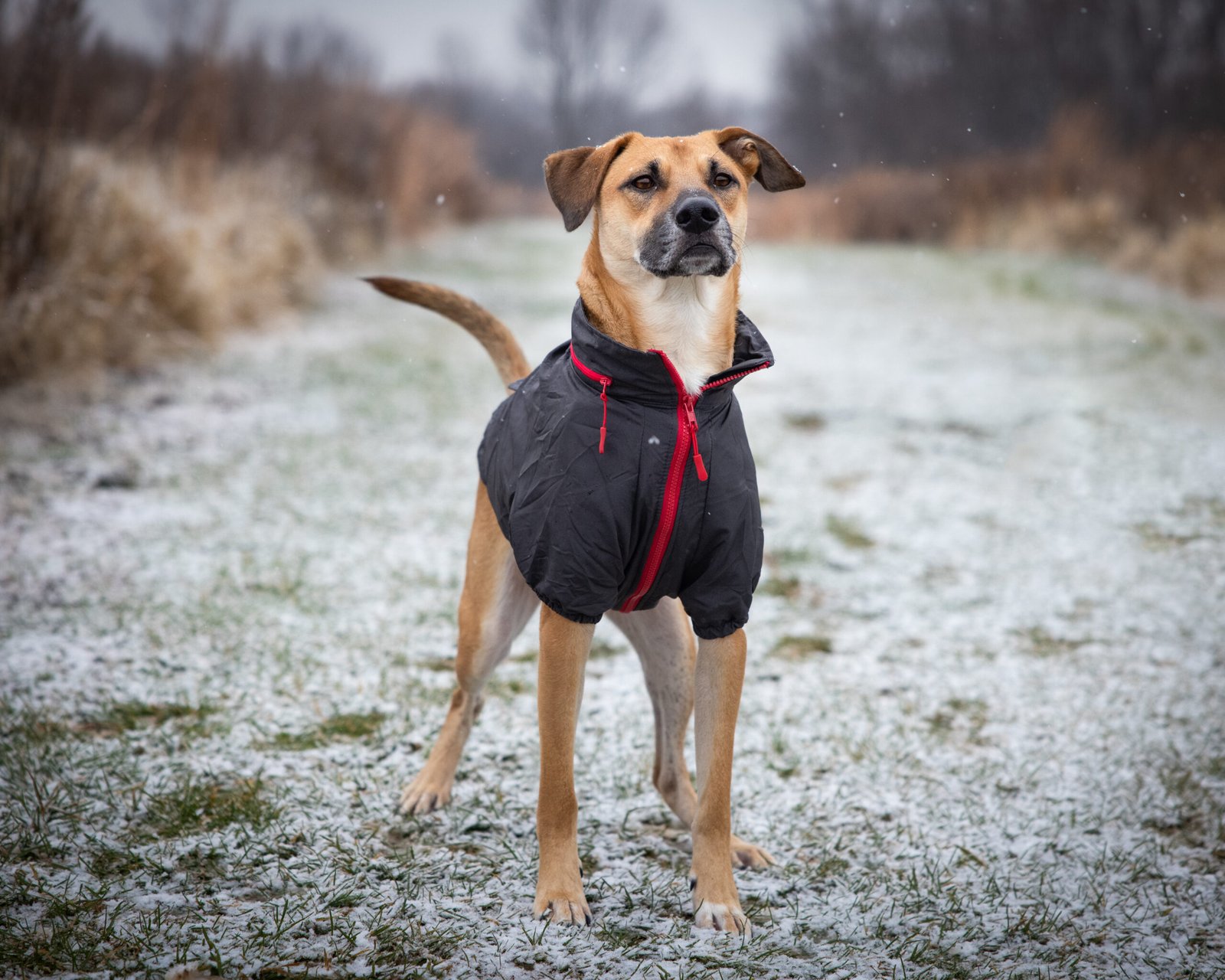
For many dogs, there’s nothing better than a good romp outside, rain or shine. Whether they’re splashing through muddy puddles, navigating wet trails, or enjoying a brisk winter walk, our canine companions often embrace the elements with enthusiasm. While a wet dog is a happy dog, a soaking wet and muddy dog can lead to a messy home, unpleasant odors, and discomfort for your pet.
This is where the waterproof and mud-resistant dog coat becomes an essential piece of gear for any dog owner who values cleanliness and comfort. More than just a fashion accessory, these coats are a practical necessity designed to protect your dog and simplify your post-walk routine.
Why the Right Coat Matters
A quality protective dog coat offers several key benefits:
- Keeps Your Dog Dry: The primary purpose of these coats is to repel rain and snow, preventing your dog’s core from getting chilled, which can be particularly important for older, short-haired, or smaller breeds.
- Minimizes Mud Splatter: A great mud-resistant coat covers the back, flanks, and often includes a good chest and belly panel, acting as a barrier against dirt, grime, and mud splatter.
- Reduces Bath Time: By blocking the elements, the coat dramatically reduces the amount of dirt your dog brings inside, meaning less frequent and intense baths—a win for both of you!
- Protects the Fur and Skin: For dogs with long or thick coats, preventing water and mud penetration helps avoid matting and the “wet dog smell” caused by trapped moisture.
Key Features to Look For in a Protective Coat
Not all coats are created equal. When shopping for a waterproof and mud-resistant coat, focus on these critical design and material features:
1. Material and Water Resistance
- Waterproof vs. Water-Resistant: Look for coats specifically labeled as waterproof. Water-resistant fabrics will only repel light showers, whereas waterproof fabrics (often featuring sealed seams and a durable water repellent – DWR – coating) will stand up to heavy rain and submersion.
- High-Quality Fabric: Materials like treated nylon, polyester, and certain softshells are excellent. They should be lightweight enough for comfort but durable enough to resist tears from brambles and rough play.
2. Coverage and Design
The best mud-resistant coats offer maximum coverage where dogs get dirtiest:
- Chest and Belly Protection: This is the most crucial feature for mud resistance. A coat with a wide, contoured panel that extends along the belly will stop muddy splashes from being kicked up by the front legs.
- Leg Loops or Sleeves (Optional): Some designs include elastic leg loops or even full sleeves for the front legs, offering unparalleled protection for dogs that love to charge through tall, wet grass and deep mud.
- High Neck or Hood: A funnel neck design helps keep water from running down the back of your dog’s neck, ensuring the important chest area remains dry.
3. Fit and Comfort
A coat is useless if your dog won’t wear it, or if it restricts movement.
- Adjustability: Look for coats with adjustable closures (velcro, buckles, or snaps) around the chest and belly to ensure a snug, comfortable fit that prevents the coat from shifting or riding up.
- Freedom of Movement: The coat should end before the base of the tail to allow for natural movement and bathroom breaks without soiling the garment. There should be ample room around the shoulders and front legs.
4. Practical Details
- Leash Access: A dedicated, sealed port or a slit in the back of the coat allows you to easily attach a leash to a harness or collar worn under the coat, maintaining waterproofing integrity.
- Reflective Strips: For safety during low-light walks (especially in rain or fog), reflective piping or strips are a non-negotiable feature.
- Lining (Seasonal): If you need insulation for cold weather, choose a coat with a soft, warm fleece lining. For mild-weather rain, an unlined coat will prevent overheating.
Care and Maintenance
Even the most resistant coat will need cleaning to maintain its protective qualities.
- The Quick Fix: Most coats can simply be wiped down with a damp cloth after a walk. Let any residual mud dry, then brush it off before storing.
- Washing: Follow the manufacturer’s instructions, but generally, machine-wash with a non-detergent technical wash designed for waterproof fabrics to avoid stripping the DWR coating. Do not use fabric softener, as it can compromise the fabric’s ability to shed water.
- Storage: Ensure the coat is completely dry before folding and storing to prevent mildew and odor.