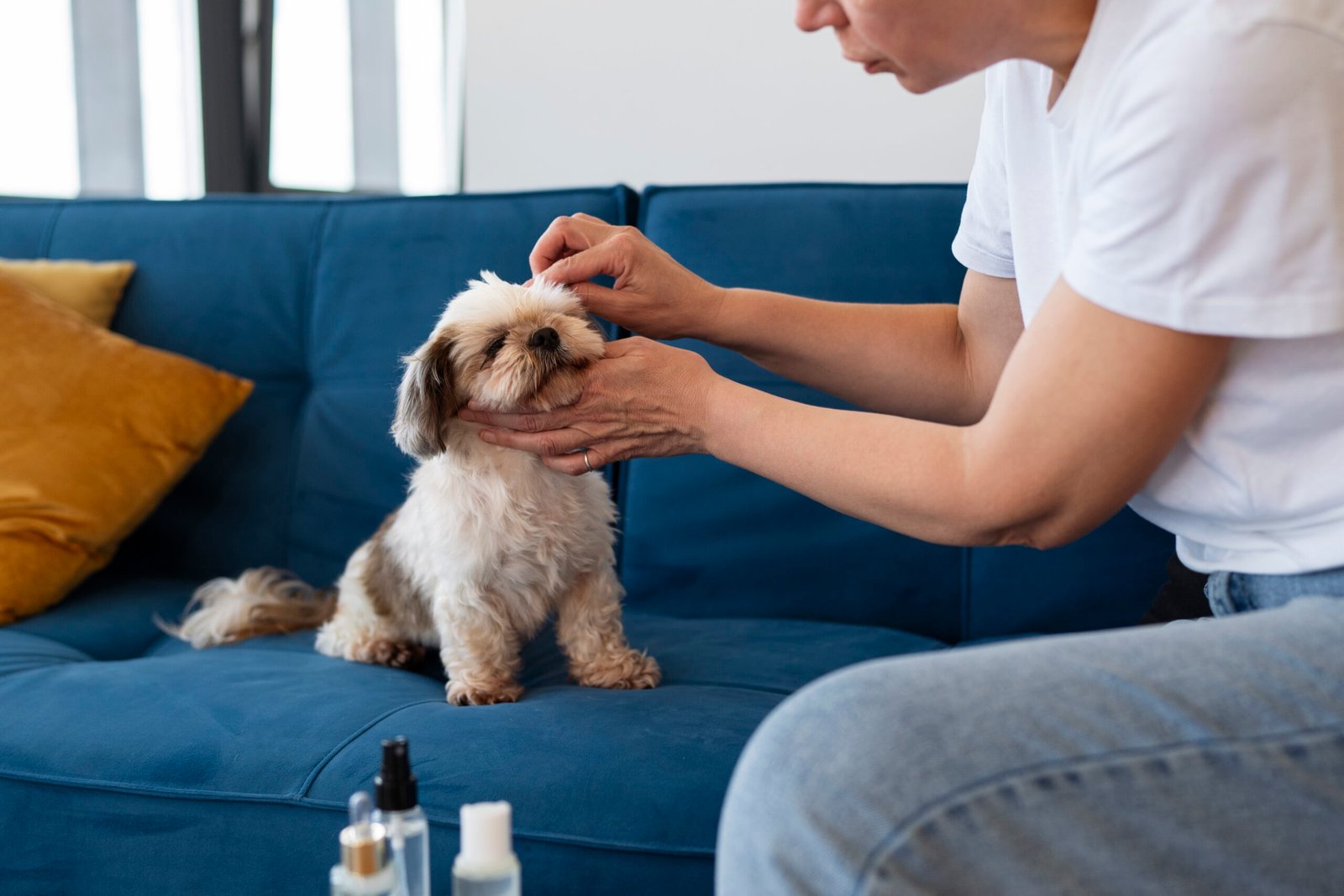
As dogs age, their needs and routines change. Planning ahead ensures your senior dog stays comfortable, happy, and healthy. This guide outlines what every pet owner should know when caring for an older dog.
1. Regular Veterinary Checkups
To start, older dogs are more likely to develop health problems like arthritis, dental disease, or organ issues. Take your dog to the vet at least twice a year. Regular checkups help catch problems early, so your dog can get the care they need.
2. Tailored Nutrition
Next, as dogs get older, their metabolism slows, and their diet needs to change. Pick a good senior dog food that helps with joints, is easy to digest, and keeps their weight in check. Ask your vet if supplements like omega-3s or joint support are right for your dog.
3. Comfortable Living Spaces
In addition to food, many older dogs have stiff joints and trouble moving around. Give them orthopedic beds and non-slip rugs, and make sure they can easily reach their favorite places. Ramps or stairs can help them reach higher spots safely.
4. Exercise and Mental Stimulation
Aside from physical comfort, even if your dog has less energy, gentle exercise is still important for their muscles and overall health. Try shorter, more frequent walks or low-impact activities like swimming. Puzzle toys and games can also keep their mind active.
5. Grooming and Hygiene
In addition to activity, older dogs may need more frequent grooming to help with shedding and skin issues. Brush them regularly, trim their nails, and care for their teeth to prevent discomfort or infection. Look for any new lumps or changes in their skin while grooming.
6. Monitor Behavior and Comfort
Paying close attention to your dog’s behavior is also key. Watch for changes in appetite, sleep, movement, or mood. These signs can indicate health problems. Your dog may need pain relief, including medicine, physical therapy, or other treatments.
7. Emergency Preparedness and End-of-Life Planning
Finally, be ready for emergencies by keeping your dog’s medical records handy and having a plan to get them to the vet if needed. Though it can be hard, thinking ahead about end-of-life care, like hospice or in-home euthanasia, can help make things less stressful and more dignified when the time comes.
Conclusion
Caring for an older dog takes patience, flexibility, and love. If you plan ahead and pay attention to your dog’s changing needs, you can help make their later years happy and comfortable.
Leave a Reply