Overview
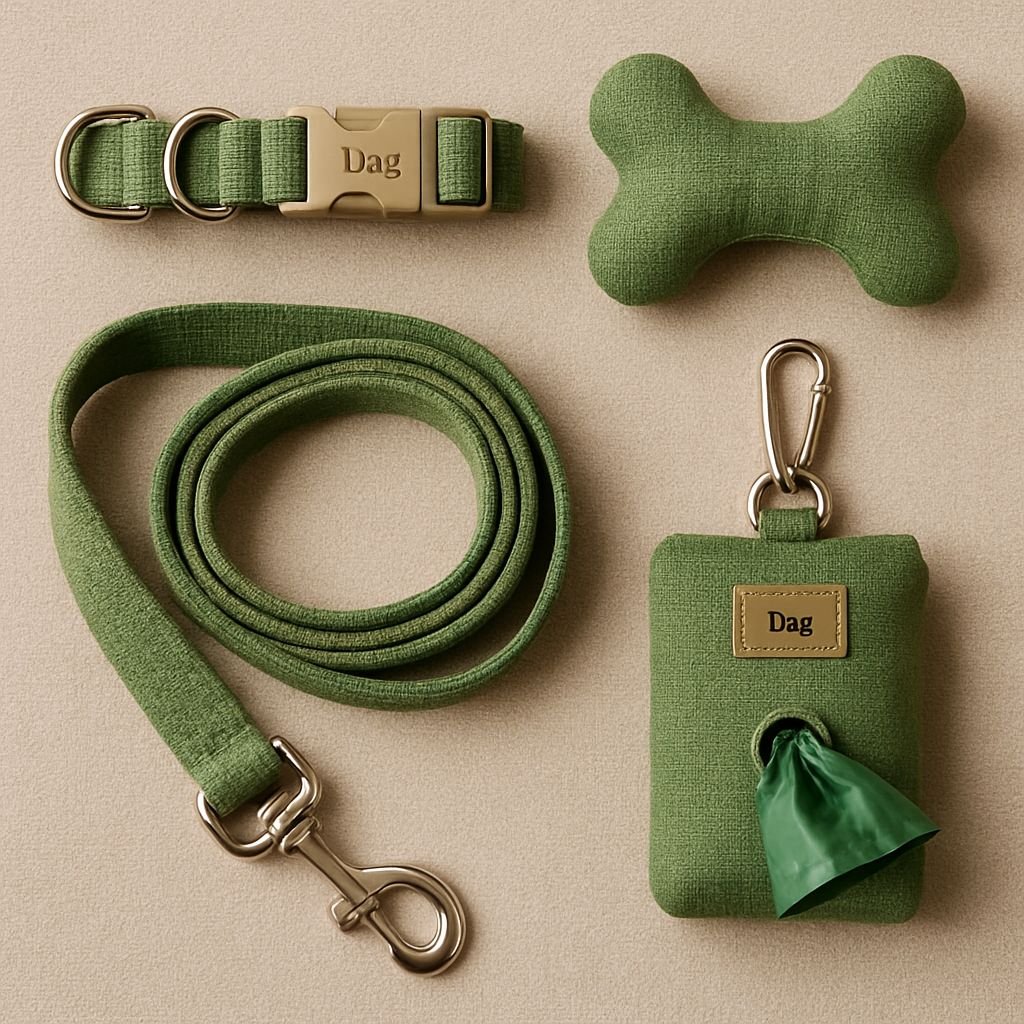
- Green dog gear minimizes your carbon footprint and provides sturdy, non-toxic options for your city pet
- Must-have green walking accessories include biodegradable poop bags, recycled dog leashes, and foldable water bottles that lessen environmental damage
- Space-saving green solutions are perfect for apartment living, offering functionality without sacrificing style or ethics
- Natural materials like hemp, organic cotton, and natural rubber provide safer alternatives to conventional plastic pet products
- WOOF’s dedication to green city dog gear means you can dress your furry friend responsibly without compromising on quality or style
Why Your City Dog Needs Green Gear Now
City living with a dog creates a unique set of challenges – from navigating crowded sidewalks to managing limited storage space. WOOF understands that city dog parents need gear that works as hard as they do, while still being gentle on the planet. The conventional pet industry generates substantial amounts of plastic waste annually through disposable products, chemically laden materials, and items designed for planned obsolescence. By switching to green alternatives, you’re not just making a statement about your environmental values – you’re actually investing in higher-quality, more durable products that perform better in demanding city environments.
There’s more to it than just helping the planet. A lot of regular pet items are made with dangerous chemicals, man-made materials, and coloring that can harm your dog and you. Eco-friendly options usually use safe, natural materials that won’t hurt dogs who might chew or lick their gear. Also, green dog gear tends to last longer, so you won’t have to buy new stuff as often – this saves you money over time and cuts down on trash.
City-dwelling dogs have their own set of environmental challenges, such as hot sidewalks, pollution, and a lack of green spaces. Eco-friendly dog gear is designed to help with these issues, often featuring creative solutions like cooling fabrics made from sustainable materials and paw balms made with natural, biodegradable ingredients to protect against urban irritants. By making the switch, you’re helping to protect both your local environment and your furry friend.
6 Essential Eco-Friendly Dog Walking Supplies for City Living
Regular walks are the cornerstone of city dog care, but traditional walking gear can contain harmful materials such as plastics with BPA, non-biodegradable waste bags, and synthetic fabrics treated with harsh chemicals. Switching your walking essentials to eco-friendly alternatives can immediately reduce your environmental impact without losing functionality in the city.
Eco-friendly Poop Bags and Dispensers
Let’s be honest: cleaning up after your dog is one of the least enjoyable parts of owning a pet, but it’s one of the most common ways city-dwelling dog owners affect the environment. Regular plastic poop bags can take hundreds of years to decompose, adding to the growing plastic problem in our landfills and waterways. Eco-friendly alternatives decompose in months rather than hundreds of years, significantly reducing your long-term effect on the environment. Look for bags that are certified as genuinely compostable (not just “degradable”) and dispensers made from recycled materials or natural fibers that easily attach to your eco-friendly leash system.
Leashes and Collars Made from Recycled Materials
Leashes and collars, which form the basis of your daily walk, are perfect for sustainable living. They don’t compromise on durability or style. Today’s eco-friendly options are made from innovative materials. For example, recycled plastic bottles are turned into durable, water-resistant webbing. This stands up to city grime and can be washed frequently. Hemp leashes are another great alternative. They have natural antimicrobial properties and are exceptionally strong. They also don’t have the environmental impact of nylon production. Many sustainable brands now offer adjustable designs that can be altered as your dog grows. This reduces the need for replacements as your dog gets older.
Eco-Friendly and Compact Treat Pouches
Living in the city means dog owners need to constantly reinforce training, which makes treat pouches a must-have. Unfortunately, many of these pouches are made with synthetic fabrics and plastic components that will eventually end up in a landfill. However, there are eco-friendly alternatives available that use organic cotton, hemp, or recycled materials to create a pouch that is just as functional but far less harmful to the environment. The best of these pouches can be machine-washed, which means you won’t have to use chemical cleaners, and the pouch will last longer.
On-the-go Hydration Solutions for Your Dog
In the city, it can be tough to find a clean, safe place for your dog to drink. Single-use plastic water bottles are not only wasteful, but also many dog water bottles on the market contain BPA and other harmful chemicals. Eco-friendly alternatives are usually made from stainless steel or recycled plastic that is BPA-free. They also often have creative designs to minimize water waste. The best options combine the water bottle and bowl into one compact item that can easily fit in your bag or attach to your eco-friendly leash.
Upcycled Materials for Weather-Resistant Dog Jackets
In the city, dogs are exposed to all kinds of weather, which means they need the right gear to protect them. Many dog jackets are made from synthetic materials that come from petroleum and are waterproofed with PFCs (perfluorinated chemicals), which are known to be harmful to the environment and health. But some companies are now making weather-resistant jackets out of materials that have been saved from the landfill. They’re turning plastic bottles into tough polyester fleece and old rain jackets into waterproof dog jackets.
The most forward-thinking designs feature modularity, allowing pieces to change according to the weather without having to buy multiple items. Look for jackets that have natural wool insulation (ethically sourced), recycled synthetic filling, or even creative solutions like upcycled coffee grounds incorporated into fabrics for natural odor control. These multipurpose pieces often have reflective elements for safety without adding environmentally problematic materials.
Safety Gear for Evening Walks in the City
Walking in the city often involves traversing crowded streets at night, making it necessary to have gear that increases visibility for safety. Instead of using light-up accessories that are disposable, have short lifespans, and create issues with battery disposal, there are eco-friendly options that use reflective materials in everyday items. Look for leashes and harnesses that have reflective stitching made from thread that has been recycled, visibility vests made from materials that have been upcycled, or collars that light up and are charged with solar power or kinetic energy from your dog’s movement – eliminating the need to dispose of batteries.
Green Solutions That Save Space for City Dwellers
City life often means making the most of a small apartment, so pet supplies that are compact and serve multiple purposes are a must. The problem with traditional pet products is that they take up too much room, contain dangerous chemicals that can build up in small spaces, and clutter up carefully planned decor. Eco-friendly options, on the other hand, are designed with care to be both pleasing to the eye and kind to the planet.
Environmentally friendly dog accessories suitable for apartment living focus on quality rather than quantity, promoting a minimalist lifestyle that reduces consumption and increases functionality. Many products have multiple uses or can be collapsed for storage, maximizing usefulness while minimizing environmental damage. These designs, which are mindful of space, frequently use natural materials that blend in with city interiors rather than clashing with them, creating a balance between your living space and your dog’s needs.
Compact Dog Bowls and Feeding Stations
It can be tricky to find a feeding station that fits into a small space and is also practical. Traditional ceramic or plastic bowls take up a lot of floor space and are often made from materials that might not be safe. Eco-friendly options include collapsible silicone bowls made from food-grade recycled materials that can be folded flat when they’re not being used, elevated feeders made from sustainable bamboo that also have storage underneath, and innovative wall-mounted systems that keep feeding areas completely off the floor.
Space-Saving Beds and Furniture
Urban living often means making the most of a small space, and dog beds can take up a lot of room. Eco-friendly options offer smart solutions with designs that work for both you and your dog. Consider a side table with a built-in dog bed underneath, an ottoman that doubles as a bed, or a modular furniture system that can be rearranged as needed. Look for options made with natural, renewable materials like organic cotton, sustainably sourced wood, and natural latex, instead of traditional polyurethane foam, which can release gases in enclosed spaces.
Organizing Your Pet Supplies
Living in the city means dealing with limited space, and it can be tough to find room for all your dog’s toys and accessories. You can help out the environment and keep your home tidy by choosing eco-friendly storage options. Look for canvas bins made from organic cotton or hemp that you can fold up when they’re not in use, or consider stackable containers made from biodegradable materials like bamboo or wheat straw composite. You can also repurpose items you already have at home to use as pet supply organizers. The goal is to find storage solutions that help you reduce your use of plastic, keep your home organized, and minimize your impact on the environment.
Green Play: Eco-Friendly Toys for Indoor and Outdoor Use
Urban dogs need playtime, too, especially since they might not have as much access to nature for exercise and exploration. The problem is that many traditional dog toys are made with harmful materials like BPA, phthalates, and synthetic rubber compounds that come from petroleum. Not only are these toys not designed to last, but they also end up in the trash and, ultimately, the landfill. Eco-friendly options, on the other hand, use natural, renewable materials that are better for your dog and the environment.
Green toys are often more robust than their traditional counterparts, meaning you don’t have to replace them as often and therefore reduce waste. A lot of eco-friendly brands also offer recycling programs for their products once they’ve reached the end of their life, creating a closed-loop system that reduces the impact on the environment. When you buy these carefully crafted alternatives, you’re not just buying a toy – you’re supporting innovation that challenges the status quo in the industry.
Eco-Friendly Rubber Dog Toys
If you have a dog who loves to chew, you know the struggle of finding a toy that can withstand their strong jaws. But if you’re also trying to be mindful of your environmental impact, this can be even more challenging. That’s where natural rubber comes in. This material is not only durable, but it’s also harvested sustainably from rubber trees, making it a great alternative to synthetic materials made from petroleum. The best natural rubber dog toys are made from rubber that is harvested in a way that allows the trees to continue producing for many years, making it a truly renewable resource. When shopping for natural rubber dog toys, look for companies that are transparent about where their rubber comes from and avoid toys with fillers or colorants that could make the rubber less biodegradable.
Organic Cotton and Hemp Rope Toys
Interactive rope toys are great for satisfying your dog’s instinct to tug, and they also promote dental health. Unfortunately, traditional synthetic rope toys shed microplastics that eventually pollute the environment when the toy is thrown away. Organic cotton and hemp rope toys are a great alternative that provide the same texture and dental benefits. Plus, they’re made with natural fibers that will biodegrade once the toy is thrown away. The plant-based fibers used in these toys require less water and fewer pesticides to grow than traditional cotton, making their environmental impact much smaller from production to disposal.
Eco-Friendly Brain Games Made from Recycled Materials
City dogs don’t always get to experience the wide range of natural stimuli that their country cousins do. That’s where interactive puzzle toys come in. These toys give your dog’s brain a workout, and they can be made from recycled materials, reducing the demand for new plastic. Look for puzzles made from recycled ocean-bound plastics or post-consumer waste. If the puzzle is colored, make sure the color comes from non-toxic, water-based inks. The best toys are designed to be taken apart when they’re no longer usable, which makes them easier to recycle. Your dog gets years of fun, and the planet gets a little bit of a break.
Eco-Friendly Replacements for Tennis Balls
Despite their popularity, tennis balls are not the best choice for dog toys. They wear out quickly, creating waste, and they are made from materials that are not eco-friendly. Instead, consider durable alternatives like balls made from natural rubber, balls with a cork core covered in organic cotton, or balls made from repurposed materials. These options are not only more sustainable, but they often come with added benefits. For example, some brands make their balls with special textures that help clean your dog’s teeth as they play. Others have a treat-dispensing feature to keep your dog engaged. And they manage to do all this without adding any environmentally harmful materials.
Eco-Friendly Grooming Products That Safeguard City Waterways
City dogs encounter particular grooming difficulties due to pollution, scarce natural water sources for washing, and contact with sidewalk treatments such as de-icing chemicals and pesticides. Traditional pet shampoos frequently contain sulfates, parabens, synthetic scents, and other components that are washed down drains and ultimately affect aquatic ecosystems. Opting for biodegradable, plant-based grooming products lessens this environmental impact while usually offering milder choices for dogs with sensitive skin.
Environmentally Friendly Shampoos and Conditioners
Plant-based cleaning products made from renewable sources like coconut and corn clean just as well as those made from petroleum, but they don’t linger in the environment. The best green shampoos and conditioners avoid artificial preservatives and instead use natural antimicrobials like rosemary extract or grapefruit seed extract that break down harmlessly after use. Look for concentrated formulas in recyclable or compostable packaging that reduce transportation emissions and packaging waste while delivering more baths per bottle – maximizing value while minimizing environmental impact.
Eco-Friendly Grooming Tools
Water conservation is a growing concern in urban areas due to increasing infrastructure challenges and drought conditions. Traditional methods of bathing can waste a lot of water, especially for larger breeds or dogs that need frequent washing due to city dirt. Waterless shampoos made from natural ingredients, specially designed low-flow nozzle attachments, and innovative microfiber drying mitts that reduce the need for towel laundry all help to save a significant amount of water over the lifetime of your dog. Some forward-thinking brands have even designed shower attachments specifically to reduce water usage while improving the efficiency of rinsing.
Eco-Friendly Pest Control
City living comes with its own set of pest problems, from fleas that live in buildings to ticks picked up in the park. Traditional pest control methods often use chemicals that build up in waterways when they’re washed off during baths or swims. Eco-friendly pest control uses ingredients like neem oil, cedar, and diatomaceous earth that are safe for the environment and still keep pests away. The best eco-friendly pest control products come in minimal, recyclable packaging and focus on preventing pests rather than treating them. This reduces the amount of chemicals and packaging waste used.
How to Spot Genuine Eco-Friendly Dog Products
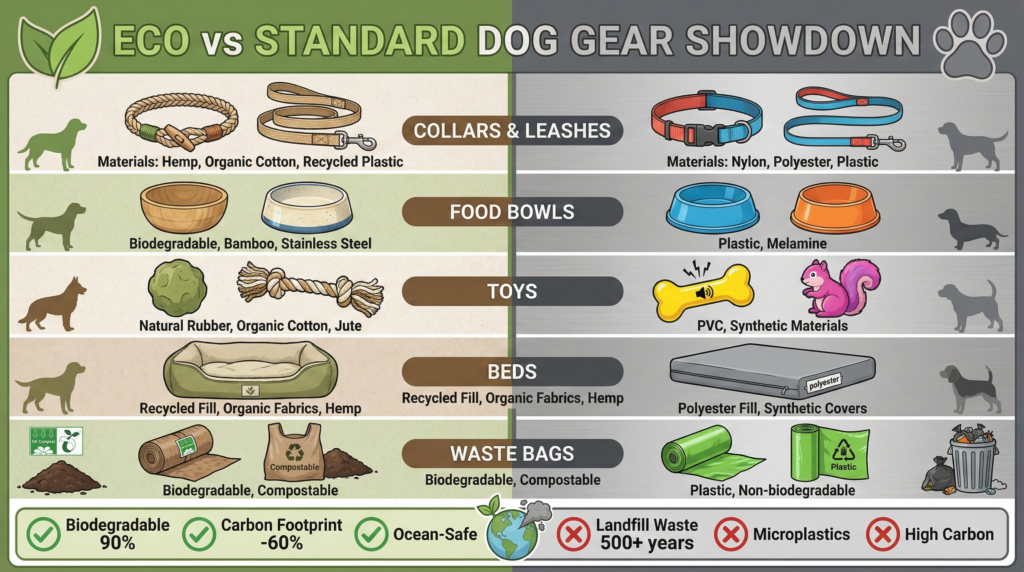
With the rising demand for eco-friendly pet products, the market is seeing a surge in “greenwashing” – deceptive advertising that overstates environmental advantages. To weed out the genuinely sustainable products from the rest, you need to look beyond the marketing hype. The first step is to scrutinize the materials used, the manufacturing process, and the company’s commitment to the environment. This will help you find products that are not just eco-friendly in name, but also in practice.
How to Navigate Green Certifications and Labels
Third-party certifications are a helpful way to quickly identify products that adhere to certain environmental standards. Look for well-known certifications like GOTS (Global Organic Textile Standard) for fabric items, FSC (Forest Stewardship Council) for wooden products, or USDA Organic for consumables and some textiles. Be cautious of ambiguous terms like “eco-friendly” or “natural” that don’t have accompanying certifications or specific explanations about what makes the product sustainable. The most reliable brands will clearly explain their materials, sourcing practices, and the specific environmental benefits their products have over traditional alternatives.
Identifying Greenwashing in Pet Products
As the consumer demand for sustainable products increases, greenwashing tactics are becoming more advanced. Typical signs include packaging that seems eco-friendly, but the product inside is made from traditional materials, unclear claims without specific details, or focusing on one green attribute while ignoring other issues. Authentic eco-friendly brands usually address sustainability in a comprehensive way, considering raw materials, manufacturing processes, packaging, product lifespan, and disposal at the end of life. They also often show environmental commitments beyond their product line through conservation initiatives, carbon offset programs, or community involvement.
Choosing Local vs. Imported Goods: The Carbon Footprint Dilemma
Transportation emissions significantly contribute to the environmental impact of many products, especially weighty items like dog food or large items like dog beds. Opting for locally made products can often decrease this portion of environmental impact, while also supporting local economies and making it easier to verify production standards. However, some sustainable materials may need to be imported, creating a trade-off between the sustainability of the material and the impact of transportation. The greenest approach takes both into account, aiming for locally-made products that use sustainable materials whenever possible, and making careful compromises when necessary based on your own environmental priorities.
Price Points: When to Invest and When to DIY
Green dog products often come with a higher initial price tag than their conventional counterparts, reflecting the costs of fair labor practices, quality materials, and environmentally friendly manufacturing processes. However, these initial investments usually pay off in the long run through longer product lifetimes, reducing the total cost of ownership over time. For budget-conscious pet owners, focusing on green versions of items that need to be replaced often (like waste bags or toys) can have the biggest environmental impact, while DIY projects can meet other needs using materials you already have. The greenest approach balances strategic buying of high-quality essentials with creative reuse of existing materials.
DIY Projects: Make Your Own City Canine Necessities
Making your own canine accessories is possibly the most eco-friendly way to pet parenting – reusing materials that are already available instead of creating a demand for new production. City environments provide a wealth of resources for creative reuse, from old human clothes to packaging materials that would otherwise be waste. DIY projects also let you customize to your dog’s unique needs and likes, often resulting in items that work better than mass-produced options.
Recycled T-Shirt Dog Toys
Old t-shirts make excellent materials for crafting sturdy, washable dog toys, giving a second life to items that would otherwise be discarded. The elasticity and absorbency of jersey knit make it perfect for braided tug toys, stuffed squeakers, or interactive puzzles. To make the toy more appealing, you can soak it in broth and then freeze it. This will create a long-lasting, stimulating toy that has no environmental footprint. These DIY alternatives not only eliminate packaging waste, but they also provide safe, non-toxic play options tailored to your dog’s tastes and chewing strength.
DIY Treat Recipes for Training
City-based training often requires a lot of positive reinforcement to keep your dog’s attention amongst the hustle and bustle, which can lead to a lot of packaging waste from store-bought treats. Making your own treats not only cuts down on this waste, but also allows you to have full control over what’s going into your dog’s body – a plus for city-dwelling dogs who often have allergies or sensitivities. Simple recipes using human-grade ingredients like sweet potato, chicken, or pumpkin can be made into high-value rewards that are perfect for tough city training scenarios. Preparing them in batches in reusable silicone molds makes them the perfect size for training, and they can be stored in repurposed glass jars for easy, grab-and-go access.
Storage Solutions from Reused Containers
It’s surprising how many containers you end up with when living in an urban apartment. Instead of recycling them (which still requires energy to process), why not give them a second life as storage for your dog’s supplies? Coffee cans can become airtight treat storage, shoe boxes can be used to organize leashes, and plastic food containers can be made into portable first aid kits. Not only does this eliminate the need to buy new storage products, but it often provides more personalized solutions than what you can buy in stores. With a few simple modifications like adding rope handles or applying non-toxic paint, you can create functional, attractive storage that reflects your personal style and extends the life of the materials you already have.
Five Leading Eco-Friendly Companies Transforming the World of Urban Dog Accessories
Although homemade methods are the most sustainable, there are certain items that need to be commercially produced. Thankfully, some forward-thinking companies have stepped up to meet the increasing demand for truly sustainable pet products that are designed for urban living. These trailblazing brands merge environmental awareness with practical solutions for city life, creating products that improve the urban dog experience and reduce the environmental footprint at the same time.
These brands shine in their holistic approach to sustainability, taking into account everything from where they source their materials to how they manufacture their products, package them, ensure they last a long time, and dispose of them at the end of their life. They’ve all come up with creative solutions to the typical challenges of urban dog ownership without ever compromising their commitment to being green.
1. West Paw
West Paw, a company based in Montana, was the first to introduce the idea of infinitely recyclable dog toys. They achieved this through their innovative Zogoflex material. Zogoflex is a non-toxic, FDA-compliant polymer that can be returned and remolded into new products over and over again. Their closed-loop manufacturing system, which is powered by renewable energy, produces durable products. These products are specifically designed for power chewers in environments where play space is limited. West Paw’s Join the Loop program allows customers to return worn toys for recycling. This creates a zero-waste product lifecycle. This is particularly valuable for urban dog parents who have limited disposal options and dogs who quickly destroy conventional toys.
2. Earth Rated
Earth Rated has taken the challenge of urban dog waste management head-on by rethinking the traditional poop bag. Instead of the typical plastic that takes hundreds of years to decompose in a landfill, they’ve developed a truly compostable option made from vegetables that can break down in compost conditions in just a few months. But they didn’t stop at poop bags. The company has also developed other bathroom essentials like bamboo-based wipes, all designed with apartment living in mind, where convenience and odor control are key. And they’ve done it all while maintaining a strict commitment to sustainability throughout their supply chain.
3. Beco Pets
Offering a range of daily necessities for city dogs, Beco uses innovative materials such as bamboo fiber, rice husk rubber, and recycled ocean-bound plastic in its products. Their food bowls are made from waste rice husks that would have otherwise been burned, causing air pollution. Instead, they are transformed into a robust, dishwasher-safe material that is ideal for apartment living. The company’s city-centric approach also includes space-saving designs like collapsible travel bowls and stackable food storage, meeting the unique demands of compact city living spaces while maintaining an impressive environmental record.
Aside from their products, Beco showcases its commitment to the environment by maintaining a plastic-neutral certification. This means that they remove as much plastic from the environment as they use in their production and packaging processes. This commitment to making a systemic change, instead of just innovating their products, shows the comprehensive thinking that truly sustainable brands possess.
4. P.L.A.Y. Pet Lifestyle
Knowing that city dogs often don’t get as much exercise as they need, P.L.A.Y. focuses on creating beds from recycled plastic bottles that have been turned into soft, sturdy fabric. They’ve figured out a way to turn about 10-20 plastic bottles into each bed, making comfortable places for pets to sleep and keeping waste out of landfills at the same time. P.L.A.Y.’s designs are also made to fit in with the look of a modern apartment, with options like beds that look like real furniture, so you don’t have to sacrifice style for your pet’s comfort.
P.L.A.Y. takes its commitment to the environment a step further with programs like Warm Bellies, which donates a bed to a shelter dog for every purchase. This addresses both environmental and animal welfare issues. Their minimal plastic packaging and carbon offset programs further show how fully they embrace sustainability, setting them apart as a truly eco-conscious brand.
5. Wild One
Wild One is a brand that combines a sleek city look with a commitment to the environment. They produce matching walking kits, carriers, and accessories for the fashion-forward urban pet owner. Their products are made from innovative materials like recycled plastic that is free of BPA, natural rubber, and organic fabrics. These materials are designed to stand up to the unique challenges of city living, like sidewalk salt, pollution, and limited access to laundry facilities. Wild One is committed to minimalist, multifunctional design. This approach addresses the lack of space that is common in city homes and reduces unnecessary consumption. Their products serve more than one purpose and are designed to look good together, which reduces the temptation to make impulse purchases.
What to Do Next: Developing a Green Routine for Your Urban Dog
Switching to eco-friendly dog care is more of a process than a quick change. Start by figuring out which of your current products have the biggest environmental impact – usually things that you replace often, like waste bags, treats, or toys that consistently create waste. Replace these items first as you run out of them, then slowly move on to items that last longer, like beds, carriers, and grooming tools. This gradual method prevents waste from throwing away items that are still good to use while methodically lowering your environmental impact through careful replacements.
Think about making a sustainability plan that fits your city lifestyle and beliefs. Some pet owners put plastic reduction first, while others want to support local businesses or get rid of certain chemicals. This focus can help you wade through the many “green” marketing claims and choose products that really match your environmental goals. Keep in mind that perfect sustainability is hard to achieve – the goal is to keep getting better, not to be perfect. Celebrate each positive step and remember that it’s about the bigger picture.
Common Questions
When you start to make the switch to eco-friendly urban dog care, you’ll likely have a few questions about how well these products perform, where you can buy them, and how to use them. These are all valid concerns for city dwellers who are trying to balance their environmental values with the practicalities of owning a dog in the city.
Are green dog products sturdy enough for daily city use?
Many green dog products actually outperform their conventional counterparts in durability tests, especially those designed specifically for urban environments. Natural rubber typically offers superior tear resistance compared to synthetic versions, while hemp webbing often provides greater strength than nylon alternatives. The perception of inferiority stems from earlier generations of green products that sometimes sacrificed performance for sustainability. Today’s options leverage innovative materials science to create products that withstand urban challenges like concrete sidewalks, frequent washing, and limited storage options while maintaining environmental credentials. Look for brands that specifically highlight durability testing and offer guarantees – many green companies provide more robust warranties than conventional competitors precisely because their products last longer.
Are sustainable dog accessories more expensive than traditional ones?
The cost difference between traditional and sustainable dog products can vary widely depending on the category, with some eco-friendly options actually saving money over time due to their durability. Consumable items like waste bags usually cost 15-30% more than traditional alternatives, while larger purchases like beds or carriers may cost 30-50% more due to the higher quality materials and more ethical manufacturing processes used. However, this initial cost difference often disappears when you calculate the cost-per-use over the product’s lifespan, as sustainable options usually last a lot longer. Many city dog owners report saving money in the long run after switching to sustainable products, especially for items that need to be replaced often, like toys or walking gear that can withstand daily city use better than cheaper, disposable alternatives.
What materials make dog products truly eco-friendly?
Sustainable Materials Commonly Used in Urban Dog Gear
Hemp
Hemp is a fast-growing crop that generally requires less water than conventional cotton and can be grown with minimal pesticide use. The fibres are naturally strong and resistant to mould and odour, making hemp a durable choice for leashes, collars, and some toys.
Recycled Ocean Plastic
Plastic recovered from oceans and coastal areas helps reduce environmental pollution while being repurposed into tough, long-lasting materials. It is often used for items such as bowls, toy components, leads, and grooming tools, offering durability comparable to virgin plastic.
Natural Rubber
Natural rubber is derived from latex harvested from rubber trees without killing them, making it a renewable resource. While not suitable for home composting, it can biodegrade under certain conditions and is commonly used for chew toys and treat-dispensing products due to its flexibility and resilience.
Organic Cotton
Organic cotton is grown without synthetic pesticides or fertilisers, reducing environmental impact and soil degradation. It is widely used for bedding, soft toys, and accessories like bandanas, where softness and breathability are important.
Bamboo
Bamboo grows rapidly and regenerates without replanting, making it a highly renewable resource. When processed responsibly, it can be used in products such as brushes, bowls, and blended textiles. However, its sustainability depends on how it is processed and bonded.
Beyond these core materials, some brands are exploring alternatives to conventional plastics, including wheat-straw composites, mushroom-based packaging, and upcycled industrial waste transformed into durable pet products. Forward-thinking manufacturers often combine several sustainable materials to take advantage of their different strengths while reducing environmental impact across a product’s entire lifecycle.
Looking Beyond the Material Itself
Sustainability is not just about what a product is made from, but also where and how those materials are sourced. Truly responsible companies are transparent about their supply chains and avoid vague claims such as “eco-friendly” without supporting details. Many also publish information on efforts to reduce water and energy use, minimise waste, and ensure fair labour practices throughout production.
End-of-life considerations matter too. Some materials, such as natural rubber or untreated plant fibres, may biodegrade over time under suitable conditions, while others—like metals and certain plastics—are best suited to established recycling streams. Brands that offer take-back or repair programmes for hard-to-recycle items demonstrate a stronger commitment to sustainability beyond the point of sale.
By considering both material choices and practical design, it becomes easier to find dog gear that aligns with environmental values while meeting the everyday needs of city-living dogs.
Can My Dog’s Old Toys and Accessories Be Recycled?
Most traditional pet products are difficult to recycle due to mixed materials, contamination concerns, and limited local recycling infrastructure. Municipal recycling schemes usually do not accept items such as tennis balls, plush toys, or mixed-plastic chew toys.
That said, some specialist programmes are helping to close this gap. TerraCycle partners with selected pet brands to recycle worn-out products, and a few manufacturers—such as West Paw—operate closed-loop schemes where their products can be returned and reprocessed.
When recycling isn’t an option, repurposing is often the most sustainable choice. Old fabric toys can become cleaning cloths, washed dog beds can be donated to animal shelters, and damaged rubber toys can be reused as drainage fillers in plant pots.
Cleaning Eco-Friendly Dog Gear Without Harsh Chemicals
Proper care helps sustainable products last longer and reduces the need for replacement. Different materials benefit from different low-impact cleaning methods:
- Fabric items (beds, soft toys): Wash with unscented, biodegradable detergent. Adding half a cup of white vinegar helps neutralise odours and provides mild disinfection without leaving residues.
- Rubber or silicone toys: A paste of baking soda and water can lift stains and odours using gentle abrasion rather than harsh chemicals.
- Leather and hemp gear (leads, collars): Clean with a small amount of diluted castile soap and warm water. This removes dirt without damaging natural fibres or finishes and avoids the stronger solvents found in many conventional cleaners.
Simple habits—such as wiping gear after wet walks, allowing items to dry fully before storage, and cleaning regularly—can significantly extend product life. This is especially valuable for apartment living, where replacing bulky items is inconvenient and wasteful.
If you’re a WOOF customer looking to get the most from your sustainable dog gear, a detailed material-specific care guide can help ensure your purchases stay functional and comfortable for years of urban adventures.
Leave a Reply