Category: Travel & Outdoors

  • Top Rated Waterproof Car Seat Covers for Dogs

    Top Rated Waterproof Car Seat Covers for Dogs

    Traveling with your dog shouldn’t mean a messy car. If your dog loves mud, water, or sheds year-round, a waterproof car seat cover protects your vehicle and keeps your pet comfortable. After testing and reviewing, here are the top waterproof car seat covers for durability, functionality, and ease of use.

    What Makes a Great Dog Car Seat Cover?

    Before highlighting products, it’s important to understand the qualities that define a great cover. Top covers use waterproof material to block spills, feature tough construction to resist claws, have non-slip backing for stability, and are easy to clean, such as machine washing or wiping.

    Premium Picks for 2026

    4Knines Dog Car Seat Cover

    4Knines stands out for its heavy-duty 600D polyester, UV-coated straps, and proprietary waterproof K9-Shield, specifically designed by dog owners to address the durability needs of active pets.

    Key Features:

    • Multiple configuration options, including hammock style and split rear seat designs
    • Patented split design allowing access to all three seat belts and fold-down seats
    • Non-slip backing with seat anchors to prevent movement
    • Machine washable for easy maintenance
    • Available in regular (54″ wide) and X-large sizes
    • Comes in black, gray, and tan colors

    What Testers Say: Professional reviewers note that the cover installs in seconds and that the PVC anchors keep it firmly in place, even as the dogs move around. One tester with a high-energy Husky mix found that installation took less than 1 minute from the package to the car seat.

    Considerations: Some users note that the quilted surface can be slick, causing initial uncertainty for dogs as they adjust their positions. The cover performs best with supervision and is not recommended for aggressively destructive dogs.

    Price Range: $60-$110, depending on size and features.


    URPOWER Dog Car Seat Cover

    The URPOWER cover distinguishes itself with a generous 54 x 58 inch four-layer Oxford fabric design, a non-slip backing for added safety, and velcro seatbelt openings. It balances value with high-quality construction, appealing to budget-conscious owners.

    Key Features:

    • Waterproof, scratch-proof construction
    • Four-layer design for added protection
    • Suitable for trunk use as well as seats
    • Hammock configuration available
    • Quick-release buckles for easy installation

    Shodu Waterproof Dog Car Seat Cover

    The Shodu cover uniquely provides comprehensive waterproof protection, including side door panels and a box-like design, all at an accessible price, making it a strong choice for those seeking coverage at a lower cost.

    Key Features:

    • Multiple layers of heavy-duty fabric
    • Extends to cover car door panels
    • Zippered side flaps create a box-like hammock.
    • Storage pocket for leashes and treats
    • Mesh window for ventilation
    • Measures 52 x 54 inches

    What Testers Say: During use after a rain-soaked hike, water and mud remained on the surface of the fabric, keeping the dog’s mess contained. The cover sheds debris quickly and does not retain odors, confirming its easy-clean nature.

    Considerations: The orange piping may fade quickly in extreme sunlight, so removing the cover during extended outdoor parking is recommended.


    Meadowlark Premium Dog Car Seat Covers

    Meadowlark covers are unique for their 4-layer, water-resistant construction, extra padding for comfort, double stitching for extended durability, and compatibility with LATCH systems, making them tailored for owners prioritizing comfort and longevity.

    Key Features:

    • Four-layer construction with double stitching
    • Zippered side flaps for versatility
    • Extra padding for dog comfort
    • Machine washable and dryer safe
    • Compatible with LATCH systems

    Customer Feedback: Long-term users report that covers lasting 4 years or more remain waterproof and maintain their appearance even with frequent washing.


    Ruff Hard Bottom Dog Car Seat Protector

    Ruff is notable for its rigid, hard bottom that supports up to 380 pounds, making it ideal for large dogs that require a stable, sag-free platform and extra support during travel.

    Key Features:

    • Rigid, hard bottom prevents sagging.
    • 100% waterproof, tear-proof construction
    • Built-in harness connections for safety
    • Removable, machine-washable panels
    • One-year warranty

    What Makes It Unique: The hard bottom bridges the gap between front and rear seats, creating a stable platform that’s especially beneficial for anxious dogs or those traveling in vehicles with bucket seats.

    Check details to make sure it will fit your vehicle.


    Choosing the Right Style

    Hammock Style vs. Bench Style

    Hammock-style covers attach to the front and rear headrests to create a barrier that keeps dogs from falling into the footwell during sudden stops. They work well for dogs riding alone in the backseat and provide full coverage. You can also install or remove them easily if you switch vehicles often.

    Bench-style covers sit flat on the seats and do not include a front attachment, making it easier for human passengers to get in and out. Compared to hammock-style covers, which attach to both the front and back headrests to create a barrier, bench-style covers are better for transporting both dogs and people. However, they offer less containment for active pets, as hammock-style covers provide more separation between the front and back seats.

    Material Considerations

    Oxford cloth, polyester, Cordura, and canvas last longest. Choose waterproof, not just water-repellent, for easier cleaning.

    600D Oxford Polyester: The industry standard for durability and water resistance. The “600D” refers to the denier, a measure of thread thickness—higher numbers indicate a tougher fabric.

    Cordura: Cordura with Rain Defender treatment offers exceptional water-beading properties, though it may feel thinner than quilted alternatives.

    PU Leather: Some premium covers use polyurethane leather for enhanced scratch resistance and easier cleaning, though breathability may be reduced.

    Installation Tips

    Most quality covers install in under five minutes. Look for these features to ensure secure placement:

    • Seat anchors that tuck into the gap between the seat back and the cushion
    • Adjustable straps with quick-release buckles for headrest attachment
    • Non-slip backing made from rubber or silicone
    • Velcro openings for seat belt access

    Maintenance and Care

    Proper maintenance extends the life of your cover significantly:

    Regular Cleaning: Vacuum or shake out loose fur and debris after each trip. Most covers can be wiped down with a damp cloth for quick cleaning.

    Deep Cleaning: Machine-washable covers should be washed on a gentle cycle every few weeks or after messy trips, then air-dried to preserve materials.

    Storage: When not in use, fold the cover along panel seams and store flat or rolled in a cool, dry location to prevent warping or material degradation.

    Hard Bottom vs. Traditional Covers

    Hard bottom covers with reinforced bases holding 400-450 pounds provide a strong, even surface that doesn’t sag, particularly beneficial for large breeds. These covers create a stable platform that can make anxious dogs feel more secure. However, they’re bulkier to store and may not fit as many vehicle types.

    Traditional soft covers offer more flexibility, easier storage, and typically lower prices, making them suitable for most dogs under 80 pounds who don’t require the extra support.

    Special Features Worth Considering

    Mesh Windows: Improve airflow and visibility, helping dogs feel less isolated and potentially reducing anxiety.

    Storage Pockets: Convenient for storing leashes, treats, waste bags, and toys during travel.

    Seat Belt Openings: Essential if you use a dog harness with your vehicle’s seat belt system for safety restraint.

    Side Flaps: Protect door panels from scratches and moisture, particularly valuable for dogs who lean against doors or shake off water inside the vehicle.

    Split Designs: Patented designs allow access to all three seat belts, latch anchors, and fold-down seats without removing the cover.

    Value and Investment

    Quality dog car seat covers cost $30 to $110. Budget covers ($30-40) are fine; ocPremium covers ($80-110) offer greater durability, better waterproofing, and convenience and safety features.

    If you often travel with large, active dogs, choose a premium cover with a hard bottom and strong waterproofing. For small, calm dogs and less frequent trips, mid-range covers work well.

    Making Your Decision

    The best waterproof car seat cover for your dog depends on several factors:

    • Dog size and activity level: Large, active dogs need robust covers with secure anchoring
    • Vehicle type: Measure your seat dimensions and check manufacturer fit guides
    • Usage frequency: Daily travelers should invest in premium durability
    • Cleaning preferences: Busy owners appreciate machine-washable options
    • Passenger needs: Families transporting both dogs and people might prefer bench-style or split designs.

    Final Thoughts

    Protecting your vehicle and ensuring your dog’s comfort doesn’t require compromise. The covers highlighted here offer the best combination of waterproof protection, durability, and practical features. Choose the proven quality of 4Knines, the affordable Shodu, or the supportive RuffRover. A high-quality car seat cover helps maintain your vehicle’s value and provides your dog with a pleasant travel experience. With proper care, a quality waterproof dog car seat cover can protect your vehicle for years while making every journey with your pet cleaner, safer, and more enjoyable.
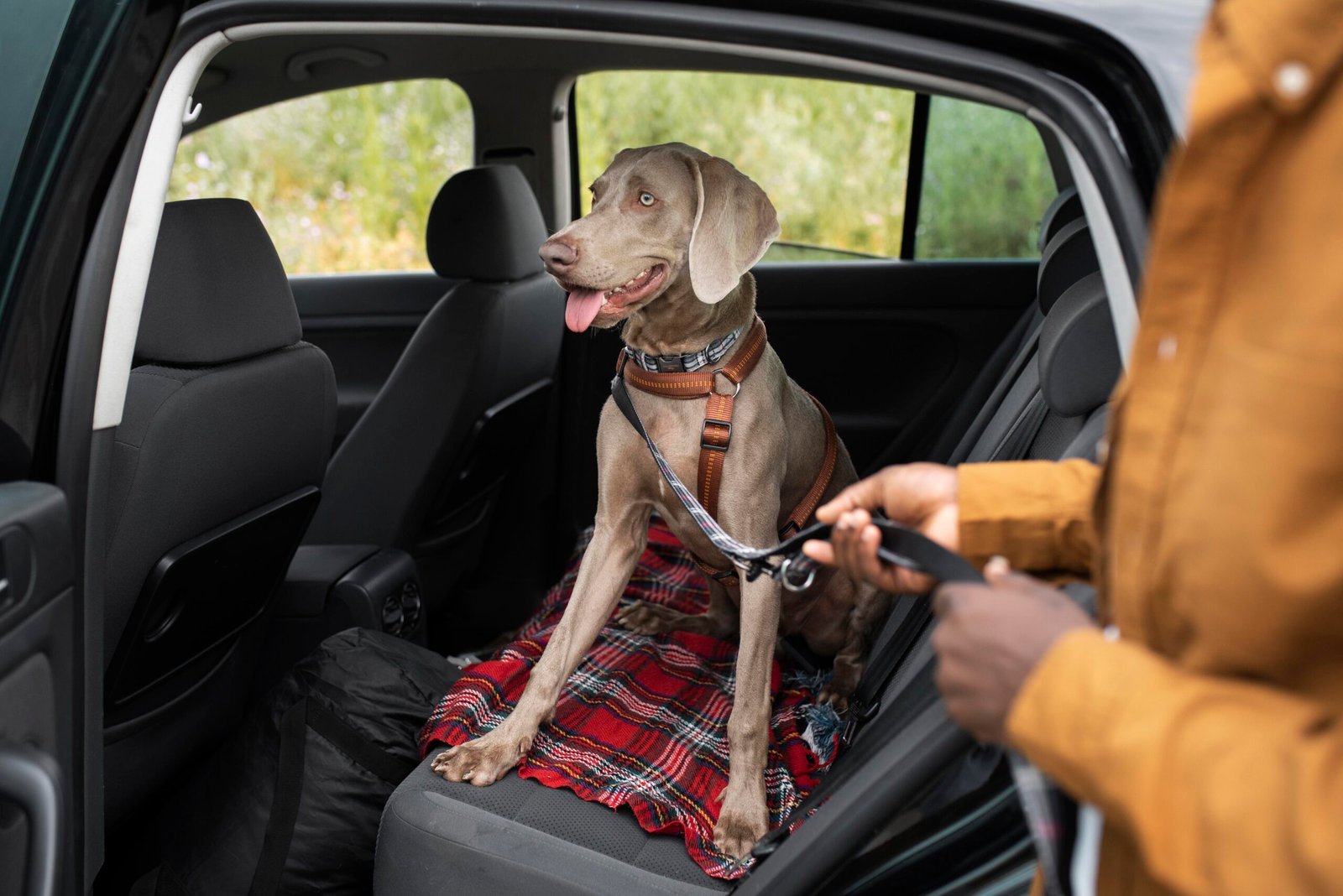
  • Staying Dry and Clean: The Essential Guide to Waterproof and Mud-Resistant Dog Coats

    Staying Dry and Clean: The Essential Guide to Waterproof and Mud-Resistant Dog Coats

    For many dogs, there’s nothing better than a good romp outside, rain or shine. Whether they’re splashing through muddy puddles, navigating wet trails, or enjoying a brisk winter walk, our canine companions often embrace the elements with enthusiasm. While a wet dog is a happy dog, a soaking wet and muddy dog can lead to a messy home, unpleasant odors, and discomfort for your pet.

    This is where the waterproof and mud-resistant dog coat becomes an essential piece of gear for any dog owner who values cleanliness and comfort. More than just a fashion accessory, these coats are a practical necessity designed to protect your dog and simplify your post-walk routine.


    Why the Right Coat Matters

    A quality protective dog coat offers several key benefits:

    • Keeps Your Dog Dry: The primary purpose of these coats is to repel rain and snow, preventing your dog’s core from getting chilled, which can be particularly important for older, short-haired, or smaller breeds.
    • Minimizes Mud Splatter: A great mud-resistant coat covers the back, flanks, and often includes a good chest and belly panel, acting as a barrier against dirt, grime, and mud splatter.
    • Reduces Bath Time: By blocking the elements, the coat dramatically reduces the amount of dirt your dog brings inside, meaning less frequent and intense baths—a win for both of you!
    • Protects the Fur and Skin: For dogs with long or thick coats, preventing water and mud penetration helps avoid matting and the “wet dog smell” caused by trapped moisture.

     Key Features to Look For in a Protective Coat

    Not all coats are created equal. When shopping for a waterproof and mud-resistant coat, focus on these critical design and material features:

    1. Material and Water Resistance

    • Waterproof vs. Water-Resistant: Look for coats specifically labeled as waterproof. Water-resistant fabrics will only repel light showers, whereas waterproof fabrics (often featuring sealed seams and a durable water repellent – DWR – coating) will stand up to heavy rain and submersion.
    • High-Quality Fabric: Materials like treated nylon, polyester, and certain softshells are excellent. They should be lightweight enough for comfort but durable enough to resist tears from brambles and rough play.

    2. Coverage and Design

    The best mud-resistant coats offer maximum coverage where dogs get dirtiest:

    • Chest and Belly Protection: This is the most crucial feature for mud resistance. A coat with a wide, contoured panel that extends along the belly will stop muddy splashes from being kicked up by the front legs.
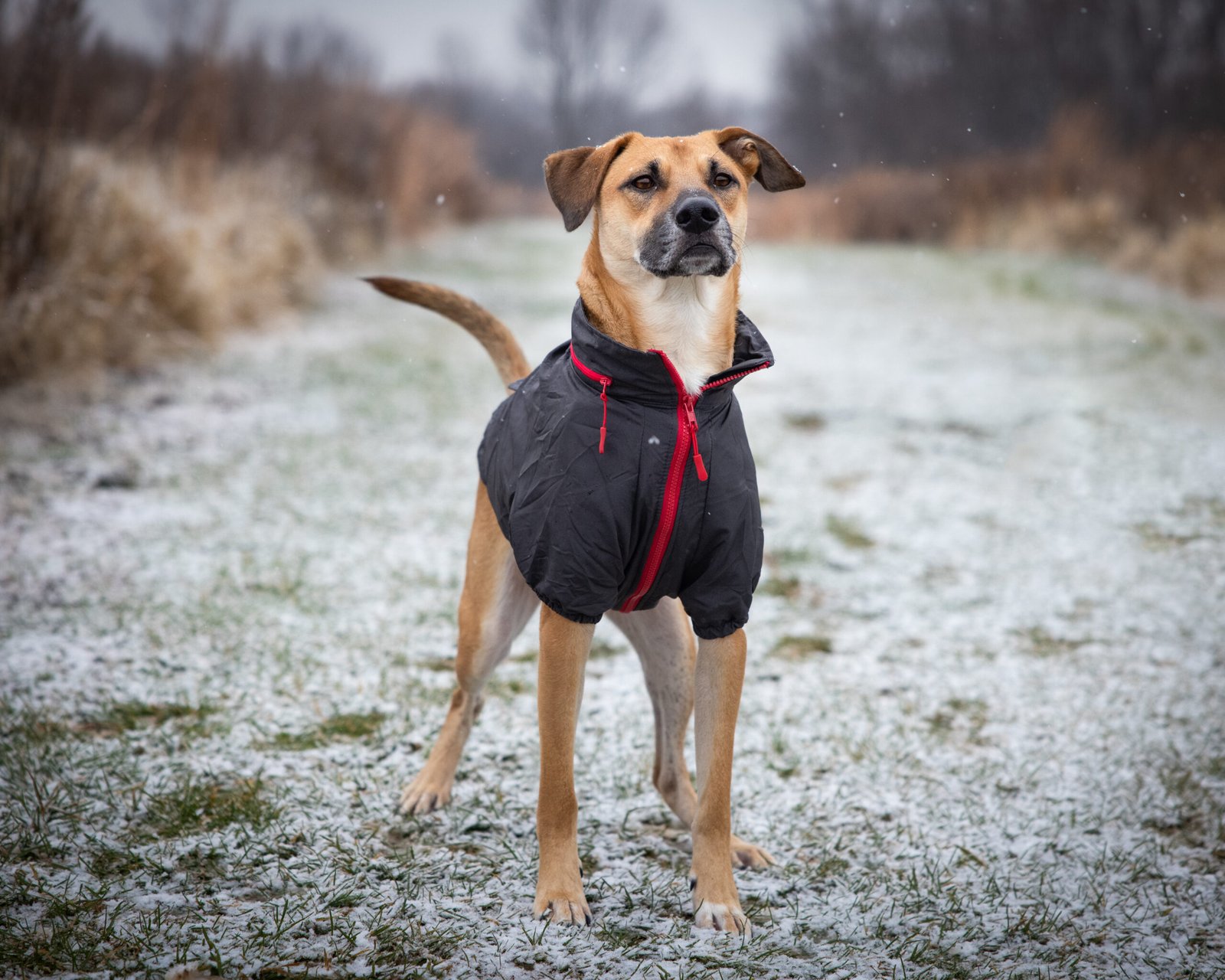
    • Leg Loops or Sleeves (Optional): Some designs include elastic leg loops or even full sleeves for the front legs, offering unparalleled protection for dogs that love to charge through tall, wet grass and deep mud.
    • High Neck or Hood: A funnel neck design helps keep water from running down the back of your dog’s neck, ensuring the important chest area remains dry.

    3. Fit and Comfort

    A coat is useless if your dog won’t wear it, or if it restricts movement.

    • Adjustability: Look for coats with adjustable closures (velcro, buckles, or snaps) around the chest and belly to ensure a snug, comfortable fit that prevents the coat from shifting or riding up.
    • Freedom of Movement: The coat should end before the base of the tail to allow for natural movement and bathroom breaks without soiling the garment. There should be ample room around the shoulders and front legs.

    4. Practical Details

    • Leash Access: A dedicated, sealed port or a slit in the back of the coat allows you to easily attach a leash to a harness or collar worn under the coat, maintaining waterproofing integrity.
    • Reflective Strips: For safety during low-light walks (especially in rain or fog), reflective piping or strips are a non-negotiable feature.
    • Lining (Seasonal): If you need insulation for cold weather, choose a coat with a soft, warm fleece lining. For mild-weather rain, an unlined coat will prevent overheating.

     Care and Maintenance

    Even the most resistant coat will need cleaning to maintain its protective qualities.

    • The Quick Fix: Most coats can simply be wiped down with a damp cloth after a walk. Let any residual mud dry, then brush it off before storing.
    • Washing: Follow the manufacturer’s instructions, but generally, machine-wash with a non-detergent technical wash designed for waterproof fabrics to avoid stripping the DWR coating. Do not use fabric softener, as it can compromise the fabric’s ability to shed water.
    • Storage: Ensure the coat is completely dry before folding and storing to prevent mildew and odor.
  • Essential Car Safety Gear for Dogs: From Harnesses to Seat Covers

    Essential Car Safety Gear for Dogs: From Harnesses to Seat Covers

    Secure your dog during car trips with crash-tested harnesses, protective covers, and travel essentials. Learn which gear helps prevent injuries and protect your vehicle.


    Your dog bolts into the car like it’s a theme park ride, ready for adventure.

    Three minutes in, your dog crawls over the console, blocks your view, and you grip the wheel, worried that today something will go wrong.

    An unrestrained dog turns your vehicle into a hazard zone. In a sudden stop, a 50-pound dog becomes a 2,500-pound projectile.

    Beyond safety, you deal with distractions, dirt, potential car damage, and the stress of having to redirect your attention from the road to your pet.

    The solution is simple: use dog gear that works in real conditions, whether on highways, short errands, long trips, or messy adventures.

    The right equipment keeps your dog secure, your car protected, and your focus where it belongs: on driving safely.

    Understanding the Basics

    Before selecting specific gear, understand what the restraint actually accomplishes.

    A secured dog can’t lurch, be thrown during hard braking, or jump out at a stop.

    Proper gear keeps fur and dirt off upholstery, prevents scratches, and contains spills or accidents.

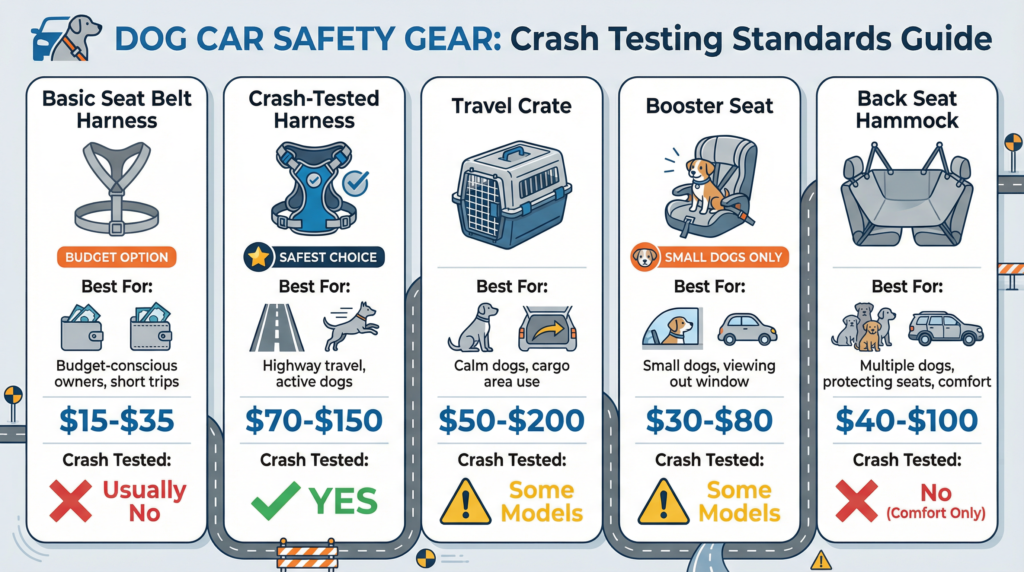
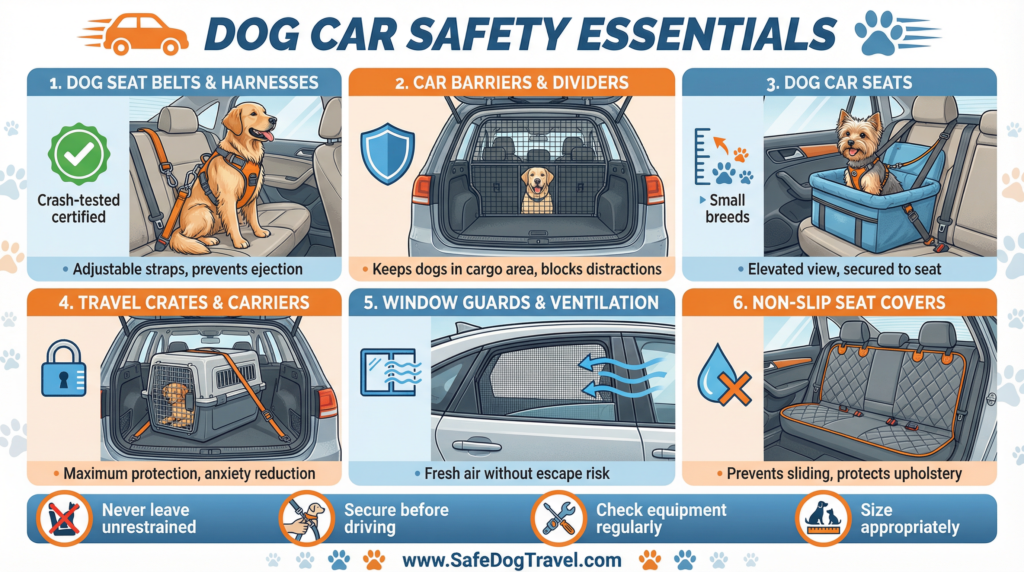
    The most effective practical dog gear falls into three categories. First, restraint systems include harnesses, seat belts, and crates, which keep your dog physically secure. Second, protective covers such as seat hammocks and door guards shield your car’s interior. Third, travel accessories such as bowls, first-aid kits, and carriers enhance safety and comfort during trips.

    Restraint systems are essential for safety; other gear enhances comfort and protects your vehicle.

    Select a restraint based on your dog’s size, temperament, and vehicle, but always keep your dog secured.

    Why Generic Pet Products Fail

    Walk into any big-box pet store, and you’ll find dozens of “car safety” products. Most of them are garbage.

    Thin nylon straps and weak plastic clips break easily. Seat covers slip off quickly.

    Carriers may crack in normal use, let alone in accidents.

    Effective gear is crash-tested, well-made, and engineered. You’re buying life-saving equipment, not just an accessory.

    Key Considerations

    Size and Breed Compatibility

    Your dog’s size decides what works. A 12-pound terrier needs completely different equipment than a 90-pound German Shepherd.

    Small dogs (under 20 pounds) fit in booster seats or carriers. Medium dogs (20-60 pounds) use harnesses and crates.

    Large dogs need heavy-duty restraints or reinforced crates secured to anchor points.

    Durability Matters

    Cheap, practical dog gear fails when you need it most.

    Choose gear with reinforced stitching, metal hardware, and strong materials. Metal carabiners, heavy-duty nylon, and swivel connectors prevent tangling or breakage.

    Your dog will test their restraint every trip, so it must be durable.

    Crash Testing Standards

    Products tested through simulated collisions provide measurable protection. The Center for Pet Safety establishes baselines for crash-tested harnesses and carriers using protocols similar to those for child safety seat testing.

    These products have been impact-tested to demonstrate that they protect your dog in the event of an accident. This is especially important if you often drive on highways or in heavy traffic.

    Ease of Installation and Adjustment

    Gear you can’t easily install becomes gear you don’t use.

    The best gear attaches to seat belt anchors or LATCH points, no tools needed.

    Adjustable gear fits different dogs or makes sharing vehicles easy.

    Step-by-Step Guide

    Step 1: Assess Your Vehicle and Dog

    Inventory your vehicle’s restraint points. Most modern cars have LATCH anchors in rear seats and seat belt systems.

    Note whether you have cargo space (SUV or wagon) or limited space (sedan).

    Measure your dog’s length from the neck to the base of the tail, and note their weight.

    Does your dog shift around, or settle quietly? Are they anxious, or do they watch the scenery calmly?

    Step 2: Choose Your Primary Restraint

    Three solid options exist.

    Seat belt harnesses attach to your dog’s harness (never collar) and clip to seat belts or LATCH. They’re affordable, easy to transfer, and work for most dogs.

    The harness distributes force across your dog’s body during sudden stops rather than concentrating it on the neck.

    Crash-tested harnesses add protection with shock-absorbing padding and strong attachment points.

    They cost more but provide measurable crash protection comparable to that of child car seats.

    Crates suit dogs who like enclosed spaces. Secure crates to the backseat floor or cargo area with seatbelts or straps.

    This approach prevents your dog from moving forward during accidents and keeps them contained.

    Step 3: Add Protective Layers

    Once restraint is handled, add protective gear.

    Seat hammocks extend across the back seat, preventing your dog from falling into the footwells while protecting the upholstery from dirt and hair. Many include openings for seat belt clips so your restraint system still functions.

    Check out our top-rated waterproof seat covers here →

    These covers typically feature:

    • Waterproof backing that blocks spills from reaching upholstery
    • Non-slip surfaces that keep your dog stable
    • Side flaps that protect doors from scratches
    • Machine-washable materials for easy cleaning

    Car door protectors mount to windows to prevent scratches and dirt from accumulating. Suction or tabs hold them in place without damaging the interior.

    Step 4: Stock Travel Essentials

    Dog gear goes beyond restraint.

    Keep a first aid kit with bandages, antiseptic wipes, eye wash, tweezers, and a thermometer. Stash a spare leash, collar, waste bags, and paper towels in your glove box.

    Travel bowls and water bottles with attached bowls reduce spills. Choose non-slip or gravity-feed options.

    The best designs collapse flat for storage and expand when needed. Your dog needs access to water, especially on trips longer than 30 minutes in warm weather.

    Step 5: Condition Your Dog

    Restraint gear requires adjustment time.

    Start with short trips to let your dog adjust to the restraint gear. Let them sit in the car with the gear on, parked, before actual drives.

    This reduces anxiety and stops first-trip struggles.

    Reward calm behavior with treats. Make the car a positive space before adding the stress of movement and traffic.

    Essential Car Safety Gear for Dogs

    🐕 Essential Car Safety Gear for Dogs 🚗

    Test Your Knowledge & Keep Your Pup Safe!

    Welcome to the Dog Car Safety Quiz! Traveling with your furry friend requires proper safety equipment. Test your knowledge about essential car safety gear for dogs and learn how to keep your canine companion secure on the road. Answer all questions to see your final score!

    Question
    1/8
    Score
    0
    Correct
    0
    🎉 Quiz Complete! 🎉
    0/8

    Expert Tips

    Harnesses Over Collars, Always

    Harnesses distribute crash forces across the chest and body, helping prevent neck injuries during sudden stops.

    Collars concentrate that force on the trachea, increasing the risk of injury even at moderate speeds.

    Even a 15 mph collision generates enough force to cause serious neck trauma when a collar is the attachment point.

    Pair Restraints with Window Control

    Lock the rear doors and keep the windows barely open.

    Your dog may jump unexpectedly. Window guards help, but locked doors matter most.

    Adjust for Comfort and Security

    The tether or harness should let your dog sit, lie down, and move without sliding, but not be so loose that they can reach the front seat or get tangled.

    Test the fit by checking that you can fit two fingers under the straps. Too tight restricts breathing.

    Too loose means no protection.

    Use Multi-Functional Equipment

    A seat cover hammock protects your car and works as an outdoor mat.

    A travel harness works for both the car and hiking.

    GPS trackers designed for road trips also help during campground adventures. You’re limited on storage space, especially in apartments.

    Every piece of gear needs to earn its place.

    Apply Seat Covers from Day One

    Use covers to protect your car from damage. Repairs cost far more than protectors.

    Professional detailing to remove fur and stains costs $200–$400. A quality seat cover costs $40–$80 and lasts for years.

    The math makes sense.

    Common Mistakes

    Securing the Leash to a Collar Instead of a Harness

    This causes injury during stops or accidents. The force is concentrated on the neck rather than distributed across the body.

    Your dog’s safety depends on proper attachment points.

    Collars are for identification tags, not restraint systems.

    Leaving Crates Unsecured

    A loose crate can become a projectile in accidents, harming your dog more than no restraint.

    Always secure crates with belts or straps to anchor points. Crates should be immobile.

    Buying Oversized Carriers

    A carrier should fit your dog without excessive movement. Too much space allows sliding during acceleration and braking, reducing protection and increasing anxiety.

    Your dog should be able to stand, turn around, and lie down comfortably. That’s it.

    Extra space adds risk.

    Neglecting the First Aid Kit

    Emergencies happen at rest stops, hiking trailheads, and campgrounds, situations where immediate veterinary care isn’t available.

    A basic first aid kit handles cuts, bleeding wounds, and minor injuries that could otherwise escalate. Include your vet’s phone number and the number for a 24-hour emergency clinic.

    Mixing Restraint Systems

    Don’t mix a harness with a collar attachment, or use a crate that’s supposed to serve as both a booster seat and a crate.

    Hybrid approaches compromise safety. Pick one primary restraint and use it consistently.

    Your dog shouldn’t be able to override the system by shifting their weight or pulling.

    Underestimating Water Needs

    Your dog needs access to water, especially on longer trips. Spill-proof bowls and travel water bottles prevent your car’s interior from becoming a mess while keeping your dog hydrated.

    Dogs overheat faster than humans. A 30-minute errand on a 75-degree day can leave your dog panting and stressed, without access to water.

    Practical Dog Gear Recommendations by Scenario

    City Apartment Dweller Making Frequent Errands

    Focus on portable, space-saving gear. A lightweight harness that attaches to your seat belt, a collapsible travel bowl, and a compact seat cover provide protection and convenience without taking up storage space in limited urban housing.

    You’re probably taking your dog on quick vet visits, trips to dog parks, and errands where they tag along. The gear needs to be installed and removed quickly.

    Active Outdoor Enthusiast Taking Weekend Trips

    Invest in crash-tested harnesses, a GPS tracker for unfamiliar areas, and a sturdy crate for cargo security. These pieces of practical dog gear prioritize safety during highway driving and outdoor adventures, where your dog is more exposed.

    You’re likely doing 2-4-hour drives to trailheads and campsites. The equipment is under greater stress and must perform reliably over longer distances.

    First-Time Dog Owner Building a System

    Start with a mid-range seat belt tether and a basic hammock seat cover. This combination provides core safety and protection while you learn your dog’s preferences.

    Upgrade to crash-tested gear once you understand your specific needs. You don’t need the most expensive equipment right away, but you do need the basics.

    Senior Dog Owner Managing Mobility Concerns

    Booster seats elevate smaller senior dogs, reducing strain on joints during entry and exit. A car door protector keeps your senior dog’s paws clean when they rest their chin on the window.

    Practical dog gear means reducing physical stress while maintaining safety. Ramps or steps that help dogs climb into SUVs prevent injury for dogs with arthritis or hip issues.

    Conclusion

    Your dog’s safety during car travel depends on the equipment you choose and how consistently you use it.

    The best gear doesn’t sit in your trunk unused. It’s installed and ready for every trip, from the commute to your dog’s veterinary appointment to the weekend road trip you’ve been planning.

    Start with a quality restraint system. This is your foundation.

    Harnesses, crash-tested systems, or properly secured crates all provide genuine protection.

    Then layer on protective covers to shield your vehicle’s interior. Add travel accessories to manage water, food, and waste cleanly.

    The right gear doesn’t restrict your dog’s comfort or your driving freedom. It creates boundaries that keep everyone safer while making your vehicle easier to maintain.

    Your dog still gets to enjoy car rides. You still get to concentrate on the road ahead.

    The difference is that both of you reach your destination without incident.

    That’s the entire point.