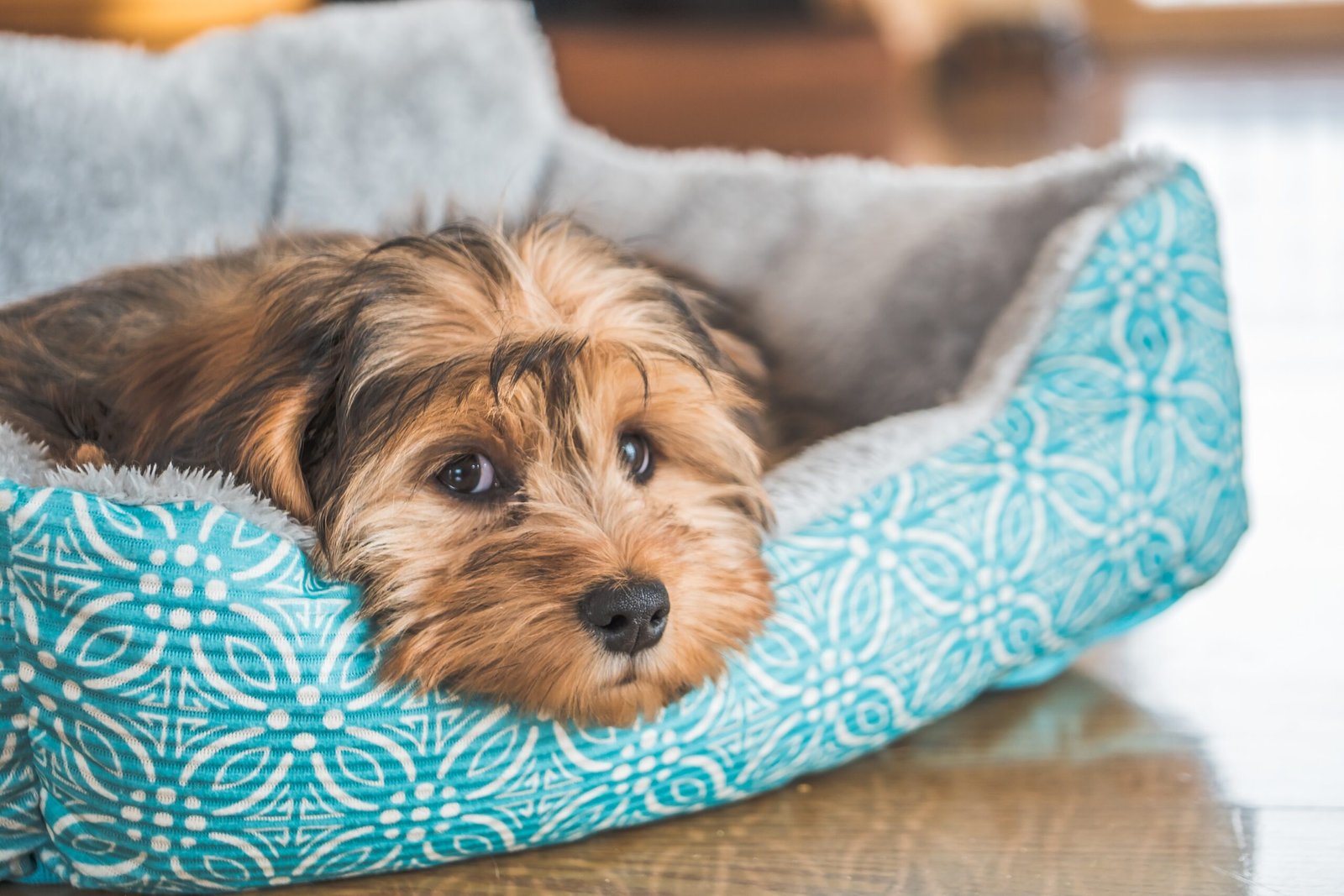
Category: Home & Living

  • Crates, Beds, and Calm Spaces: What Works Best?

    Crates, Beds, and Calm Spaces: What Works Best?

    Making sure your dog feels safe, comfortable, and happy at home starts with choosing the right place for them to rest and relax. Many pet owners ask whether they should use a crate, buy a soft bed, or set up a special calm area. Below, you’ll find the pros and cons of each option, plus tips to help you decide what’s best for your dog.

    Crates: Security and Structure
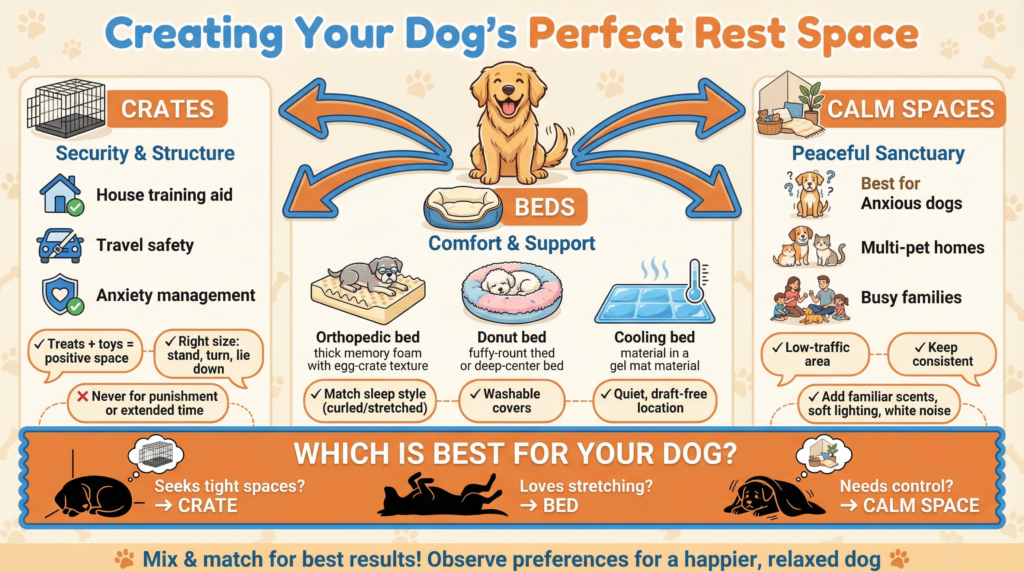
    When used properly, crates can help both dogs and their owners. Today, trainers see crates as safe spaces, not as punishment. Many dogs naturally like small, cozy spots. Crates are especially helpful for:

    • House training: Dogs are less likely to soil their sleeping area, so crates can help teach bladder control.
    • Travel safety: Crates keep dogs safe in vehicles and during air travel.
    • Managing anxiety: For some dogs, having a den-like retreat can reduce stress during storms, fireworks, or when guests visit.

    Tips for Crate Success:

    • Always make the crate a positive place with treats and favorite toys.
    • Never use a crate for punishment, and never leave your dog in a crate for extended periods.
    • Make sure the crate is the right size. Your dog should be able to stand up, turn around, and lie down comfortably.

    Beds: Comfort and Cuddling
    A good dog bed gives your pet a soft place to rest, supports their joints, and helps them feel at home. Beds work well for dogs who like to stretch out or for those with health problems, such as arthritis, who need extra padding. Some popular types are:

    • Orthopedic beds for senior dogs or breeds prone to joint problems
    • Nest or donut beds for pups who love to curl up
    • Cooling beds for dogs who overheat easily

    Tips for Choosing a Bed:

    • Think about how your dog likes to sleep, whether curled up, stretched out, or on their back.
    • Washable covers are a must for cleanliness.
    • Place beds in quiet, draft-free areas.

    Calm Spaces: A Sanctuary for Relaxation
    Some dogs do best with a special calm space, like a quiet corner or room just for them. This spot can have a bed, a crate, toys, and water. Calm spaces are great for anxious dogs, homes with more than one pet, or families with kids, providing a place for dogs to relax when things get busy.

    Tips for Creating a Calm Space:

    • Choose a low-traffic area away from household bustle.
    • Keep the space consistent so your dog knows it’s always available.
    • You can make the space even more comfortable by adding familiar smells, gentle lighting, or some white noise.

    What Works Best?
    Every dog is different. Some feel safest in a crate, others love the softness of a bed, and some need their own calm space. Often, a mix works well: a crate at night, a bed for daytime naps, and a calm space for breaks.

    Observe your dog’s behavior and preferences. If your dog seeks out tight spaces, a crate might feel safest. If they sprawl out in the sun, a big bed could be ideal. For nervous pups, a calm space offers security and a sense of control.

    Conclusion
    In the end, the best option is the one that matches your dog’s needs and daily routine. If you give them choices and pay attention to what they like, your dog will be happier and more relaxed.
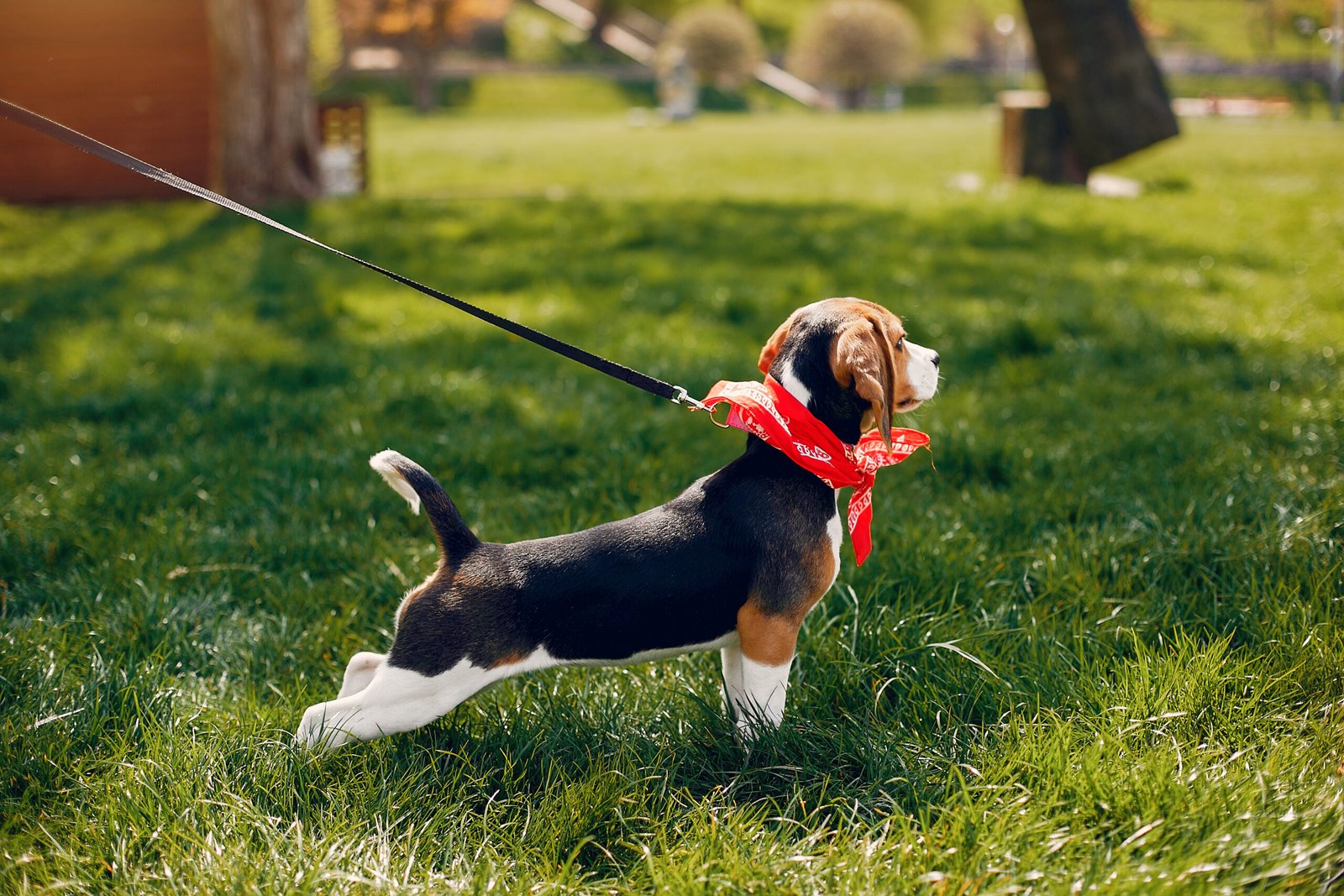
  • How Do I Stop My Dog Pulling on the Lead?

    How Do I Stop My Dog Pulling on the Lead?

    Why Do Dogs Pull on the Lead?

    Dogs don’t naturally know how to walk on a lead. Pulling often works for them—they reach smells, people, or other dogs faster. Other reasons include:

    • Excitement or excess energy
    • Lack of training or unclear boundaries
    • Anxiety or overstimulation
    • Moving faster than a human naturally walks.

    Understanding the reasons behind pulling lets you address the root cause. Next, let’s look at how to set your dog up for success with proper equipment.

    Start With the Right Equipment

    Training is most important, but using the right gear can make learning easier:

    • Front-clip harnesses: These help turn your dog back toward you if they pull.
    • Well-fitted flat collars: These are suitable for dogs who already have basic lead manners.
    • Avoid choke chains or prong collars. These can cause pain and increase anxiety.

    Equipment supports training, but alone won’t stop pulling.

    Teach Loose Lead Walking (Step by Step)

    Loose lead walking means your dog stays close to you without pulling. To teach this, follow these steps: Stop walking as soon as your dog pulls; reward your dog when the lead goes slack or when they check in with you; and if pulling continues, calmly change direction. Begin with short, low-distraction sessions.

    1. Stop moving immediately if your dog pulls. Do not yank the lead; just wait. This teaches that pulling does not work.

        2. Reward the Right Position

        When your dog stays beside you, or the lead loosens, use praise or a treat and continue walking.

        3. Change Direction

        If pulling continues, calmly turn and walk away to redirect your dog’s focus.

        4. Keep Walks Short at First

        Keep early training sessions short and in quiet places. Success builds your dog’s confidence.

        Use Positive Reinforcement

        Reward-based training works best. Bring small treats and reward your dog for:

        • Walking beside you
        • Checking in with eye contact
        • Staying calm around distractions

        Gradually, as your dog improves, you can phase out treats and rely more on praise. Equally important is managing your dog’s energy so they’re ready to focus during training.

        Manage Energy Levels

        A dog with too much energy won’t walk calmly. Before training, try:

        • A short play session
        • Mental stimulation (puzzle toys or training games)
        • Sniffing time (which is mentally tiring for dogs)

        A calm, focused dog learns faster. Beyond energy, consistency is key to lasting results. Let’s see how to stick to your training plan.

        Be Consistent (This Is Crucial)

        Everyone who walks your dog should use the same approach. If pulling ever succeeds, your dog will keep trying it. Consistency turns training into a habit.

        When to Get Extra Help

        If you can’t solve pulling with training, seek help from a qualified dog trainer—personalized advice can bring results.


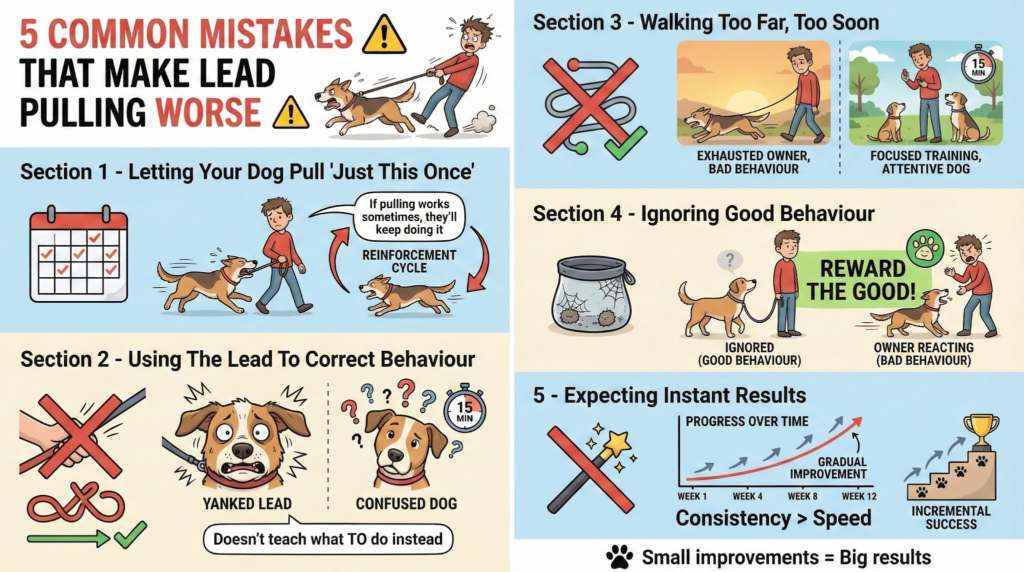
        Common Mistakes That Make Lead Pulling Worse

        Even well-meaning owners may encourage pulling. Avoid these mistakes:

        • Letting your dog pull “just this once.”
          Remember: If pulling gets your dog what they want, they’ll repeat it. Never allow it, not even once.
        • Using the lead to correct behaviour
          Key point: Yanking the lead causes anxiety and confusion. Instead, teach what behaviors you want with reward-based training.
        • Walking too far, too soon
          Key takeaway: Short, focused training walks build habits faster than long walks for untrained dogs.
        • Ignoring good behaviour
          Takeaway: Reward calm walking to reinforce good habits—not just correct pulling.
        • Expecting instant results
          Patience pays off. With repeated practice and steady effort, you’ll see your dog’s walking behaviour improve. For quicker reference, try the simple, step-by-step method below.

        The Simple Training Method

        Step 1: Stop When They Pull

        Stop walking as soon as the lead tightens and wait calmly without pulling back.

        Step 2: Reward Calm Walking

        When your dog comes back to you, or the lead loosens, praise them or give a treat, then continue walking.

        Step 3: Be Patient and Repeat

        Takeaway: Patience pays—your dog learns that calm walking leads to rewards.

        Keep Practice Short

        Key takeaway: Choose short, calm walks in quiet places to help your dog succeed early on.

        Stay Consistent

        Everyone walking your dog should use the same approach. Consistency helps your dog learn quickly.

        Conclusion

        Progress will not always be perfect. Some days will be better than others, and that is normal. Keep going, reward good behaviour, and calm walks will happen.


        Final Thoughts

        Stopping lead pulling isn’t about strength—it’s about communication. With patience, the right tools, and consistent training, walks can become a calm, enjoyable time for both you and your dog. And remember: progress may be gradual, but every loose-lead step is a win. 🐾


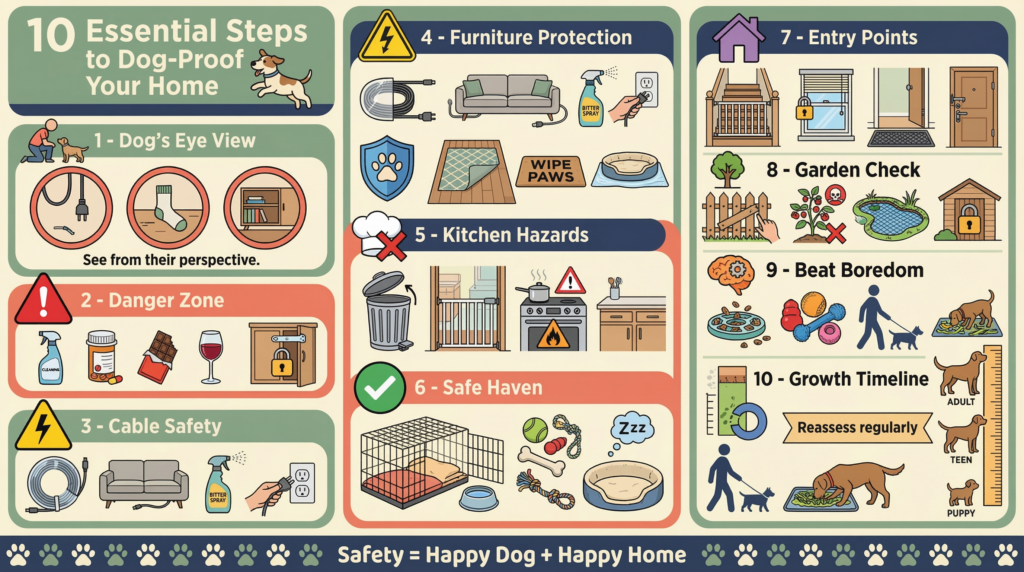
      1. How to Dog-Proof Your Home

        A Practical guide to keeping your dog safe (and your house intact)

        Dog-proofing your home is one of the best things you can do for your dog’s safety—and your own sanity. Dogs are naturally curious, and what looks harmless to us can be tempting or dangerous to them. With a few sensible adjustments, you can create a space where your dog can relax, explore, and behave like a dog without constant supervision.


        1. Start at Dog Level

        See your home the way your dog does. Get down to their height and look for hazards they might spot before you do.

        Pay attention to anything that:

        • Hangs down
        • Moves when nudged
        • Smells interesting
        • Can be picked up easily

        If your dog can access it, they will eventually explore it. Clearing surfaces and using storage containers can significantly reduce temptation.


        2. Secure Dangerous Items

        Ordinary household products can be dangerous for dogs. Store harmful items securely, no matter how well-behaved your dog is.

        Items to keep securely stored include:

        • Cleaning sprays, tablets, and pods
        • Painkillers, supplements, and vitamins
        • Chocolate, grapes, raisins, onions, and artificial sweeteners
        • Alcohol and caffeine

        Install cupboard locks to prevent your dog from accessing hazardous items, especially if they know how to open doors with their noses.


        3. Manage Cables and Plug Sockets

        Cables attract dogs, especially puppies. Chewing them risks electric shock, burns, or injury—even from boredom.

        Helpful steps include:

        • Using cable covers or trunking
        • Keeping wires behind furniture or against walls
        • Unplugging unused electronics
        • Applying pet-safe bitter sprays to cords

        If your dog repeatedly targets cables, it’s a sign they need more enrichment or supervision, not punishment.


        4. Protect Floors and Furniture

        Muddy paws and shedding are part of dog life. Choose easy-care materials to protect your home without sacrificing comfort.

        Consider:

        • Washable throws or sofa covers
        • Easy-clean rugs instead of wall-to-wall carpet
        • Door mats near entrances
        • Waterproof liners under beds or crates

        If your dog chews things, provide suitable alternatives and actively praise them when they choose the correct item. Reinforce good choices with attention or treats.


        5. Dog-Proof the Kitchen

        Kitchens are full of tempting smells and hazards for dogs—especially bins and countertops.

        Common dangers include:

        • Hot hobs and oven doors
        • Sharp utensils
        • Food wrappers, bones, and packaging

        Use a lidded bin to control access to garbage, keep all worktops clear of food and hazards, and install a baby gate to block the kitchen during cooking times.


        6. Create Safe Zones

        Dogs don’t need access to every room at all times. Creating designated, safe areas helps them settle and reduces the risk of trouble.

        A good safe zone should include:

        • A comfortable bed or crate
        • Fresh water
        • A few safe toys or chews
        • Minimal hazards

        Use safe areas, especially for puppies, new rescues, or dogs who get overwhelmed easily, so they have a quiet place to retreat.


        7. Check Windows, Doors, and Stairs

        Dogs are prone to slips, falls, or escapes near stairs, windows, and doors.

        Improve safety by:

        • Using stair gates if your dog rushes up and down
        • Securing low windows and balcony access
        • Adding non-slip mats on smooth floors
        • Ensuring doors close fully and latch properly

        Taking these precautions can protect your dog from injury.


        8. Outdoor Areas Matter Too

        Your garden can be just as risky as your home. Dogs find gaps, toxins, or hazards you may overlook.

        Do a regular check for:

        • Loose or damaged fencing
        • Toxic plants and bulbs
        • Ponds or uncovered water features
        • Tools, fertilisers, and pesticides

        Even small changes, like locking a shed or raising plant pots, can make a big difference.


        9. Boredom Causes Trouble

        Destructive behavior often comes from boredom or a lack of stimulation. Meeting needs is key.

        Help prevent boredom by providing:

        • Puzzle feeders and slow feeders
        • Chew toys with different textures.
        • Rotated toys to keep things interesting
        • Daily walks and mental games

        Mental stimulation is just as vital as physical exercise.


        10. Adjust as Your Dog Grows

        Dog-proofing is ongoing. Puppies grow, and routines change, so adapt as your dog develops.

        Revisit your setup:

        • After growth spurts
        • When routines change
        • If new behaviours appear

        What worked at 10 weeks may not work at 10 months.


        Final Thoughts

        Dog-proofing is about safety and joy. A secure home lets your dog be themselves and keeps you prepared.

        If your dog manages to find the one thing you missed, you have a very determined dog.