Exercise is a crucial, yet often misunderstood, aspect of dog ownership. Insufficient exercise can result in boredom, destructive behaviour, and health problems. Excessive or inappropriate exercise may cause injuries and long-term joint issues.
How much exercise does your dog need? The answer varies. Below is a practical, easy-to-follow guide.
Why Exercise Matters More Than Just “Burning Energy”
Exercise isn’t just about tiring your dog out. Regular, appropriate activity helps with:
Physical health – maintaining a healthy weight, muscle tone, and joint function
Mental stimulation – reducing boredom, anxiety, and destructive behaviour
Behaviour and training – calmer dogs are easier to train and live with
Overall well-being – better sleep, appetite, and mood
A well-exercised dog is typically a happier and more balanced dog.
General Exercise Guidelines (By Age)
Puppies (Up to 12 Months)
Puppies need frequent but gentle exercise. Their bones and joints are still developing, so over-exercising can cause long-term damage.
General rule:
About 5 minutes of structured exercise per month of age, up to twice a day
Examples:
3-month-old puppy → 15 minutes per walk
6-month-old puppy → 30 minutes per walk
Focus on:
Short walks
Playtime
Basic training games
Avoid:
Long hikes
Repetitive running
Excessive stair climbing
Adult Dogs (1–7 Years)
Most healthy adult dogs require at least 1–2 hours of daily activity, depending on their breed and energy level.
This doesn’t have to be one long walk. A mix works best:
Walks
Play (fetch, tug, games)
Training sessions
Mental enrichment (puzzle toys, scent games)
Senior Dogs (7+ Years)
Older dogs still need daily exercise, but at a slower pace.
Aim for:
Shorter, more frequent walks
Gentle play
Low-impact activities
Watch for:
Stiffness
Slowing down
Reluctance to walk
Adjust exercise based on comfort, not age alone.
Exercise Needs by Energy Level
Low-Energy Dogs
Examples: Bulldogs, Basset Hounds, Shih Tzus
30–60 minutes per day
Short walks and light play
Mental stimulation is especially important.
Medium-Energy Dogs
Examples: Labradors, Beagles, Cocker Spaniels
60–90 minutes per day
Brisk walks, play sessions, basic training
Enjoy variety more than intensity.
High-Energy Dogs
Examples: Border Collies, Huskies, German Shepherds
90–120+ minutes per day
Need both physical and mental exercise.
Running alone is not enough — training and problem-solving are essential.
Without enough stimulation, these dogs often develop behavioural problems.
Mental Exercise Counts Too
Mental stimulation can be just as tiring as physical exercise.
Great options include:
Training sessions
Puzzle feeders
Scent work and hide-and-seek
Learning new commands
Ten minutes of focused mental work can be equivalent to a long walk for some dogs.
Signs Your Dog Isn’t Getting Enough Exercise
Destructive chewing or digging
Excessive barking
Hyperactivity indoors
Weight gain
Restlessness or pacing
These behaviours are often mistaken for “bad behaviour” when they’re actually signs of unmet needs.
Signs of Too Much Exercise
Yes — over-exercising is possible, especially in puppies and seniors.
Watch for:
Limping or stiffness
Reluctance to move
Excessive panting
Soreness the next day
If in doubt, reduce intensity and speak to your vet.
Tailor Exercise to Your Dog
There’s no one-size-fits-all answer. The right amount of exercise depends on:
Age
Breed and size
Health and joint condition
Personality and energy level
Pay attention to how your dog behaves after exercise. A well-exercised dog should be calm, content, and relaxed, not exhausted or overstimulated.
Final Thoughts
Exercise isn’t about wearing your dog out — it’s about meeting their physical and mental needs in a safe, balanced way. When exercise is right for your dog, everything else tends to fall into place: behaviour improves, stress decreases, and quality of life goes up.
If you’re ever unsure, start small, observe your dog, and adjust gradually. Your dog will tell you what they need — you just have to learn how to listen 🐾
Calculate the perfect amount of daily exercise for your furry friend based on breed, age, size, and activity level. Keep your pup healthy and happy! 🐾
Your Dog’s Info
Exercise Recommendations
RECOMMENDED DAILY EXERCISE
60minutes
Moderate Energy Breed
MODERATE
WALK FREQUENCY
2-3walks/day
Two 20-minute walks plus active playtime
ACTIVITY BREAKDOWN
Morning walk: 20-30 minutes
Afternoon play session: 15-20 minutes
Evening walk: 20-30 minutes
TIPS FOR YOUR DOG
Based on your dog’s profile, they need regular mental and physical stimulation…
💡 Remember: These are general guidelines. Always consult with your veterinarian about your dog’s specific exercise needs, especially if they have health conditions or are elderly.
Choosing the right dog is about finding one whose temperament, size, and care needs fit your daily routine, rather than just picking the cutest puppy.
Every year, many people think about getting a dog. The best way to enjoy life with your pet is to choose a breed that matches your needs.
Picking the wrong breed often happens when your expectations or daily habits don’t match the dog’s needs. When your lifestyle fits a dog’s requirements, you’ll have a much better experience.
For example, pairing an active breed with an active lifestyle creates natural opportunities for exercise and bonding during your daily routine.
This kind of match helps your relationship run smoothly, lowers stress, and can prevent behaviour issues.
First-time dog owners should plan ahead. Studies show poor matches often lead to returns within a year.
What makes a dog breed beginner-friendly
Some breeds adjust easily, are patient with training mistakes, and help make things easier for new dog owners.
It’s helpful to choose a dog that doesn’t need special grooming or extensive daily exercise.
The breeds below are easy to care for and enjoyable to train.
Living space matters more than you think. A Lab can do well in an apartment with enough exercise, while a small terrier may bark excessively if left alone.
Think about your work hours, your level of activity, and how much time you have for grooming and training before choosing a breed.
A complete list of breeds that are good for beginners
1. Labrador Retriever
Labs are friendly with everyone and learn quickly, so they’re great for families and easy to train. They want to please you, which makes training go smoothly for beginners.
These medium to large dogs weigh 55-80 pounds and come in black, chocolate, or yellow. They only need weekly brushing to keep their coats in good shape.
2. Golden Retriever
Golden Retrievers are patient and gentle, making them great for homes with kids or other pets. They learn quickly and are forgiving if you make mistakes during training.
They weigh 55-75 pounds and need about an hour of exercise each day. Regular brushing helps keep their wavy coats looking nice.
3. Cavalier King Charles Spaniel
Cavaliers are great for apartments or for anyone who wants a companion. They can match your energy, whether you prefer quiet time or more activity, and they’re very loyal.
You’ll need to brush their silky coats a few times a week.
4. Boston Terrier
Boston Terriers have fun personalities and are small. They’re easy to care for and adapt well, making them a good choice for people in cities or for anyone looking for an easy first dog.
Their short coat sheds little, and 30-45 minutes of play each day keep them happy.
5. Bichon Frisé
The Bichon Frisé is a good choice for people with allergies because its curly white coat sheds very little, resulting in less dander at home. These cheerful dogs weigh 12-18 pounds and are easy to care for, needing just 20-30 minutes of walks and play each day.
Taking them to a groomer every 4-6 weeks keeps their coat easy to manage.
6. Beagle
Beagles are patient with new owners and love to play and explore. They’re an excellent choice for active families or anyone wanting a friendly, social dog.
Their short, tri-color coats are easy to care for, but you’ll need treats for training, as they’re highly food-motivated.
7. Boxer
Boxers are both protective and playful, so they’re great family dogs who love to play outside. They weigh 65-80 pounds and need about an hour of active exercise each day, but their short coats only require occasional brushing.
8. French Bulldogs
French Bulldogs have prominent personalities but are easy to care for. They weigh less than 28 pounds, need little grooming or exercise, and do well in city apartments, making them great for busy urban dwellers.
They’re quieter than most small breeds, and their short coats are easy to care for.
9. Shih Tzu
Shih Tzus are great lap dogs and companions. They do best with owners who want a gentle, low-energy pet that enjoys regular attention.
Their long coats need daily brushing, or you can keep their hair short in a “puppy cut” to make care easier.
10. Poodle (Miniature or Toy)
Poodles are one of the most intelligent breeds, so training them is both practical and enjoyable. Miniature (10-15 pounds) and toy (under 10 pounds) Poodles are suitable for smaller homes and have the same intelligence and hypoallergenic coats.
A trip to the groomer once a month keeps their curly fur tidy.
11. Pug
Pugs are lovable thanks to their expressive faces and easygoing nature. These 14-18 pound dogs enjoy short walks and plenty of naps.
Their short coats shed a bit but don’t need much grooming, so they’re a good choice for busy people.
12. Basset Hound
Basset Hounds are calm and easygoing, which makes them a good fit for relaxed homes. Even though they weigh 40-65 pounds, they’re low-energy and happy with a 30-minute walk to sniff around.
Their droopy ears and soulful eyes give them lots of character, and their short coats are easy to care for.
13. Papillon
Papillons are intelligent and eager to please, so they’re easy to train and make great family pets. Their butterfly-shaped ears and quick learning set them apart. They need moderate exercise and regular brushing to stay healthy and happy.
14. Cocker Spaniel
Cocker Spaniels are sweet and gentle, making them great first dogs. They weigh 20-30 pounds, enjoy moderate activity, and form strong bonds with their families.
Their silky coats need regular brushing and sometimes a trip to the groomer.
15. Brittany
Brittanys are perfect for active beginners who like hiking or jogging. These 30-40 pound dogs are energetic, friendly, and easy to train, making them great partners for outdoor adventures.
Their flat coats only need a weekly brushing.
16. Bernese Mountain Dog
Bernese Mountain Dogs are gentle, loving, and reliable family pets if you have enough space. They weigh 70-115 pounds, are patient with kids, and eager to please during training.
Their thick coats shed at certain times of year and need brushing, but their calm nature makes the extra grooming worth it.
17. Whippet
Whippets are both fast runners and love to relax, so they’re great for people who want a low-maintenance dog that enjoys both activity and downtime. These 25-40 pound dogs need short runs, followed by lots of rest.
Their short coats are effortless to care for.
18. Staffordshire Bull Terrier
Staffies are loyal and affectionate, weighing 25-38 pounds. Even though they look tough, they’re gentle with family and eager to please during training.
Their short coats are easy to care for.
19. Australian Shepherd (Miniature)
Mini Aussies have the smarts, athleticism, and loyalty of full-size Australian Shepherds but are smaller at 20-40 pounds. They learn commands quickly, bond closely with their families, and need both daily exercise and mental stimulation, such as puzzle toys.
20. Mixed Breed
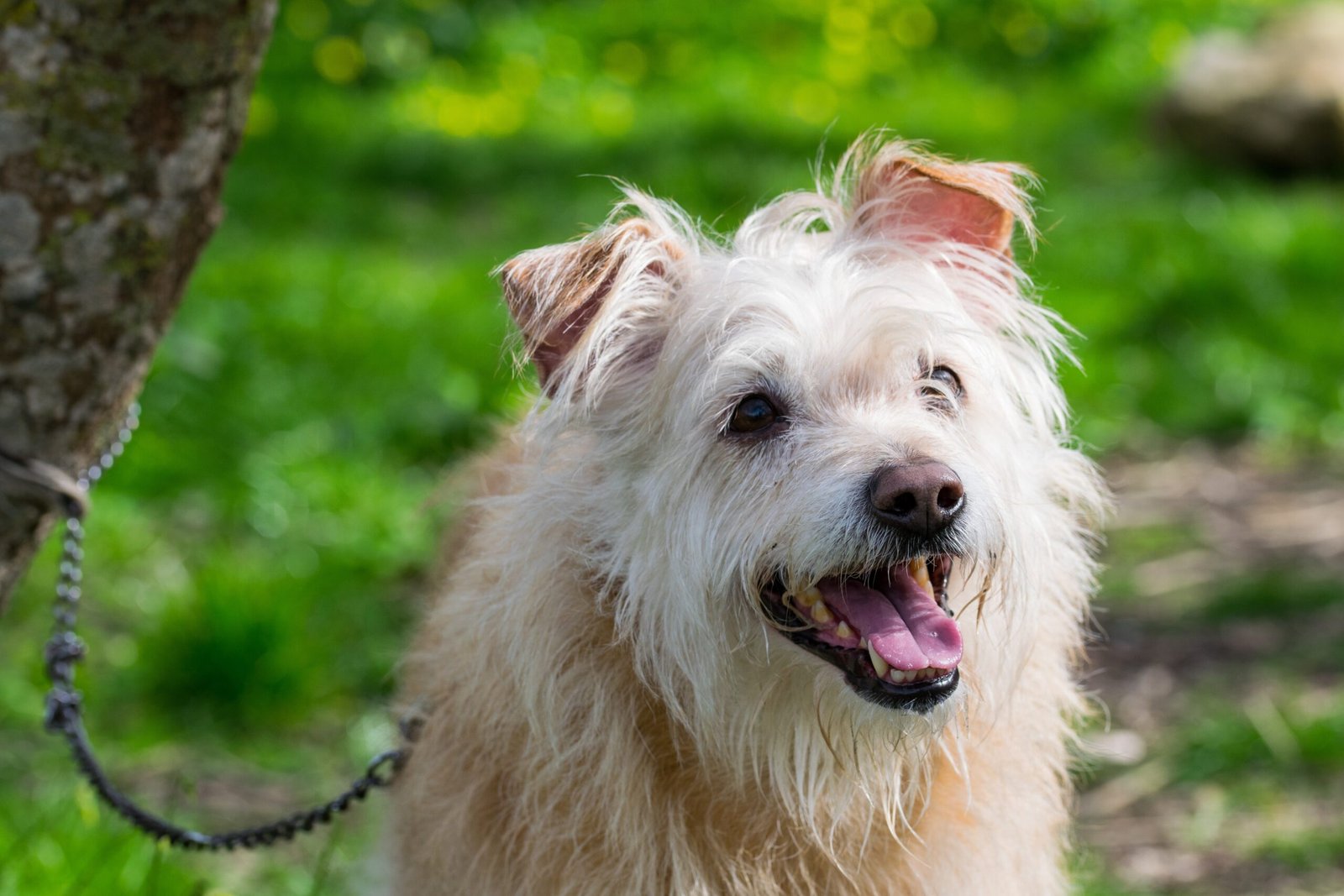
Mixed-breed dogs from shelters often have great qualities like friendliness, intelligence, and adaptability. Shelter staff can help you find a dog whose temperament, size, and energy level fit your life. Many mixed breeds have fewer health problems than purebreds and make just as good companions.
Making your final choice
Labrador Retrievers are the most forgiving choice for first-time owners. They’re friendly, easy to train, and adaptable, which helps make learning as a new owner a positive experience.
Labs can fit into almost any home if you give them daily exercise. Their eagerness to please makes training enjoyable instead of stressful.
Besides choosing a breed, consider adopting an adult dog instead of a puppy. Adult dogs often already know basic commands, and shelters can tell you about their real personalities instead of just guessing based on breed.
You’ll avoid puppy house training and teething, but can still build a strong bond with your new dog.
Visit local shelters this weekend with a list of what you want in a dog. Write down things like “under 40 pounds,” “good with cats,” or “needs less than 45 minutes of exercise a day.” Spend time with a few dogs that fit your list.
The right dog should feel like a natural fit, not something you have to force.
Book a vet appointment before bringing your new dog home. Sign up for a training class in the first month, even if your dog is already an adult.
These steps give you the support you need to succeed. Soon, your days will be filled with walks, silly moments, and lots of love.
Your first evening with your new dog will show you why so many people love having dogs in their lives.
Frequently Asked Questions
What breed requires the absolute least maintenance for a first-time owner?
French Bulldogs and Pugs are the easiest breeds to care for. They don’t need much exercise, have short coats that are easy to groom, and do well in apartments. Their calm nature means training is less intense, but you’ll still need to teach them basic commands.
These breeds are a good fit if you have a busy schedule or want a more laid-back pet.
Can first-time owners successfully raise high-energy breeds like Boxers?
You can manage a high-energy breed if you’re honest about how active you are. Boxers and similar dogs do best with owners who run, hike, or spend a lot of time outside every day.
If high-energy dogs don’t get enough exercise, they might start chewing furniture or barking too much.
Begin with leashed walks and slowly add longer play sessions to build a routine.
How do I choose between getting a puppy and an adult dog?
“Adult dogs often provide a smoother transition for first-time owners since they are usually house-trained and have established personalities. This maturity makes it easier to understand their specific needs—such as whether they adore children, get along well with cats, or require a quiet environment. In contrast, while puppies demand a major time commitment for training, they offer the chance to shape their behavior from the very beginning.”
Be honest about your work hours and your patience.
Are mixed-breed dogs better than purebreds?
Mixed breeds often have fewer genetic health issues and can be great choices. The most important thing is to look at each dog’s personality rather than relying on breed stereotypes.
Shelter staff know their dogs well and can help you find one whose energy and personality match your lifestyle.
Many mixed breeds combine the trainability of one breed with the size or coat of another, so you get the best of both.
What’s the real cost difference between low-grooming and high-grooming breeds?
Professional grooming for breeds like Poodles or Bichon Frisés costs $50-90 every 4-6 weeks, totaling $400-900 a year. Low-maintenance breeds like Labs or Beagles usually need the occasional bath at home, which costs less than $50 a year.
Factor in whether you think about whether you’d rather pay for grooming or spend time brushing your dog each day when choosing a breed. What commitment should I expect for a first dog?
Expect to spend at least 1-2 hours each day on exercise, feeding, training, and spending time with your dog. Low-energy breeds need about an hour, but active breeds like Brittanys need two hours or more.
This doesn’t count grooming, vet visits, or the extra care puppies need.
Be realistic about your schedule, since daily consistency is more important than the occasional long weekend together.
Should I avoid certain breeds if I have young children?
Golden Retrievers, Labrador Retrievers, and Cavalier King Charles Spaniels are the most patient with kids. Avoid tiny breeds under 10 pounds if you have toddlers, since rough play can hurt small dogs.
It’s also best to avoid breeds with strong guarding instincts or those bred for protection unless you’re ready for a lot of professional training. Always watch when kids and dogs are together, regardless of breed, and teach your children how to handle dogs safely from the start.
The debate about whether mixed-breed dogs—often called “mutts” or “mongrels”—are healthier and live longer than purebred dogs has gone on for years. Many people believe mixed breeds are healthier due to “hybrid vigor.” However, recent research suggests the reality is more nuanced.
To explore this topic further, let’s examine the health and lifespan considerations for both mixed-breed and purebred dogs.
⚕️ Health Comparisons: The Role of Genetics
Many people argue that mixed-breed dogs are healthier because of hybrid vigor. This theory suggests that a wider, more varied gene pool reduces the likelihood that a dog will inherit two copies of a harmful recessive gene, which often causes inherited disorders.
Purebred Health Risks
Breed-Specific Genetic Disorders Purebred dogs have closed gene pools to preserve breed standards. As a result, they are more likely to develop inherited conditions, such as:
German Shepherds → hip dysplasia
Boxers & Great Danes → dilated cardiomyopathy
Cavalier King Charles Spaniels → heart and eye diseases
Physical Conformation Issues Some purebred dogs are bred for traits that negatively affect health:
Flat-faced breeds (e.g. Bulldogs, Pugs) often suffer from:
Breathing difficulties
Poor temperature regulation
Mixed-Breed Health Advantages and Considerations
Reduced Risk of Specific Recessive Disorders
Mixed-breed dogs are less likely to inherit certain breed-specific genetic conditions.
Studies show these inherited disorders occur less frequently in mixed breeds than in purebreds.
Varying Genetic “Cocktails”
Health outcomes depend heavily on ancestry.
If both parent breeds share risks (e.g. two large breeds prone to hip dysplasia), the mixed-breed dog may still develop those conditions.
Similar Risk for Common Ailments
Large studies (including the Dog Aging Project) show mixed-breed and purebred dogs experience common health issues at similar rates, such as:
Dental disease
Arthritis
Ear infections
⏳ Lifespan Comparisons: Size Is Key
When it comes to lifespan, size matters more than breed type.
Mixed Breeds and Longevity
Some studies suggest mixed-breed dogs live slightly longer on average—by about 1.2 to 1.3 years.
This may reflect hybrid vigor, but the difference is not dramatic or consistent across studies.
The Size Factor
The most important factor affecting lifespan is body size.
Smaller dogs—purebred or mixed—generally live longer than larger dogs.
Example:
Small purebreds (e.g. Chihuahuas) may live 15+ years
Very large dogs often have much shorter lifespans
Most dogs live 10–13 years, regardless of breed type.
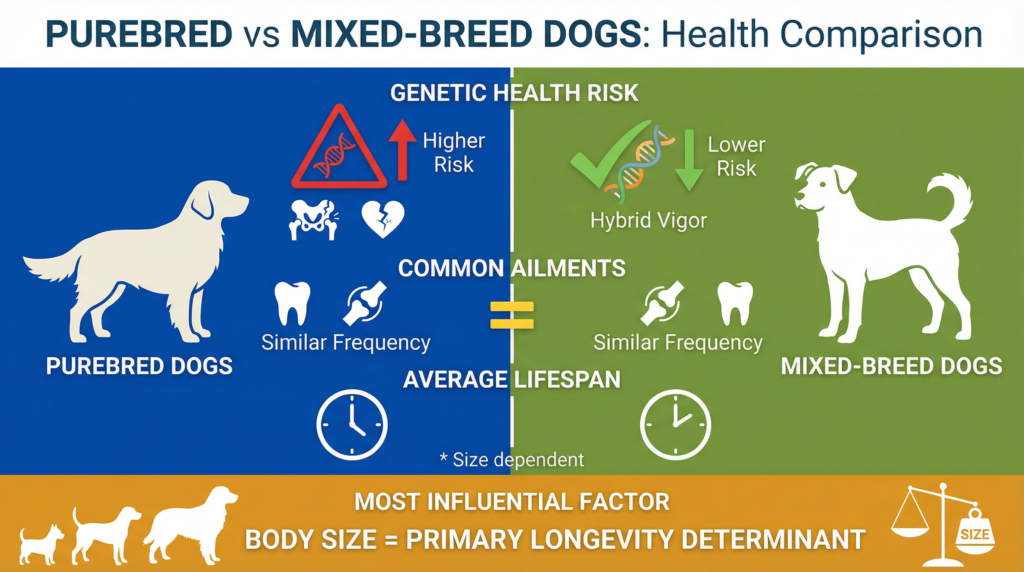
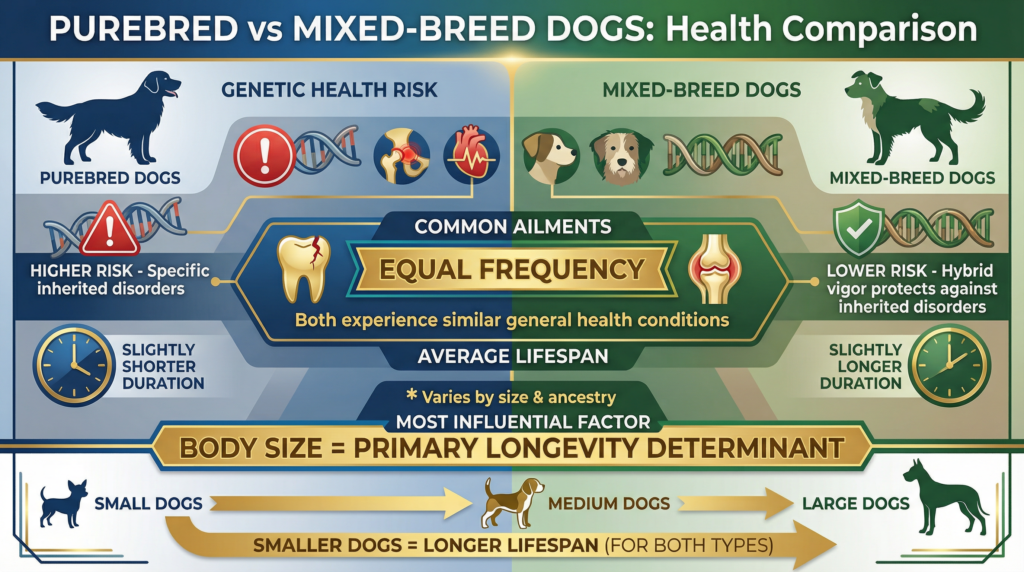
📊 Purebred vs. Mixed-Breed Overview
Genetic Health Risk
Purebred dogs: Higher risk of specific inherited, breed-related disorders
Mixed-breed dogs: Lower risk of breed-specific inherited disorders due to genetic diversity
Common Ailments
Both groups show similar rates of general health issues such as arthritis and dental disease
Average Lifespan
Varies widely in both groups
Strongly influenced by body size and ancestry
Most Influential Factor
Body size is the primary determinant of longevity for all dogs
✅ The Bottom Line: Care and Breeding Matter Most
While hybrid vigor may offer mixed-breed dogs some protection from inherited disorders, both mixed-breed and purebred dogs can live long, healthy lives.
Key factors influencing health and lifespan include:
Genetics
Body size
Quality of breeding
Owner care
Responsible Breeding
Good purebred breeders:
Use genetic testing
Screen ancestry carefully
Actively avoid passing on inherited diseases
Well-bred purebreds can have an excellent chance of a long, healthy life
Owner Care Matters Most
Consistent preventative veterinary care
Proper nutrition
Regular exercise
Maintaining a lean body weight
These are arguably the most important contributors to a dog’s overall health and longevity.
🐶 Final Thought
Choosing a dog—whether purebred or mixed—should be an informed decision based on:
Size
Energy level
Temperament
Compatibility with your lifestyle
Above all, a commitment to lifelong care and well-being is what truly makes the difference.
Mixed Breeds vs. Purebreds: A Closer Look at Health and Lifespan
The difference in health and longevity between mixed-breed dogs (“mutts” or “mongrels”) and purebred dogs is widely debated. Though common wisdom supports mixed breeds for their presumed health advantages from “hybrid vigor,” recent research shows the answer is more complex than a simple comparison.
Here is a comparison of the health and lifespan considerations for both mixed-breed and purebred dogs.
⚕️ Health Comparisons: The Role of Genetics
Hybrid vigor suggests that mixed-breed dogs, with their broader gene pool, are less likely to inherit two copies of problematic recessive genes that cause inherited disorders.
Purebred Health Risks
Breed-Specific Genetic Disorders: Because purebred dogs are maintained in closed gene pools to maintain breed standards, they have a higher risk of specific inherited conditions. For example, large breeds like German Shepherds are prone to hip dysplasia, Boxers and Great Danes are susceptible to dilated cardiomyopathy, and breeds like the Cavalier King Charles Spaniel have a high prevalence of cardiac and ocular diseases.
Some purebred dogs bred for extreme physical features, such as Bulldogs and Pugs, often suffer from respiratory and temperature-regulation issues.
Mixed-Breed Health Advantages and Considerations
Mixed-breed dogs typically face fewer breed-specific inherited diseases, with research showing lower prevalence of some genetic conditions than in purebreds.
A mixed-breed dog’s diverse ancestry means health risks vary; mixes of breeds with shared health issues may not see reduced risk.
Recent studies show that both mixed-breed and purebred dogs face common conditions such as dental disease and arthritis at similar rates.
⏳ Lifespan Comparisons: Size is Key
When it comes to how long dogs live, differences between purebreds and mixed breeds usually matter less than the dog’s body size.
Mixed Breeds and Longevity: Some studies have shown that, on average, mixed-breed dogs live slightly longer than purebred dogs—sometimes by a margin of 1.2 to 1.3 years. This could reflect hybrid vigor, though the difference is not always dramatic or consistent across studies.
Dog size is the biggest factor in lifespan. Small dogs, purebred or mixed, live longer than larger dogs. The average dog lives 10–13 years, with giant breeds at the lower end of that range.
✅ The Bottom Line: Care and Breeding Matter Most
While hybrid vigor may suggest mixed-breed dogs have genetic advantages, health and longevity in all dogs depend on multiple factors beyond ancestry.
The most important factors are:
Body Size: Small dogs typically live longer than large dogs, regardless of breed status.
Good Breeding: Good purebred breeders use genetic testing and detailed family trees to avoid common inherited problems. This gives purebred dogs a stronger chance for a long and healthy life.
Owner Care: Consistent preventative veterinary care, a proper diet, regular exercise, and maintaining a lean body weight are arguably the biggest contributors to a long and happy life for any dog.
Choosing a companion, whether purebred or mixed, should be an informed decision based on which dog’s size, energy level, and temperament best fit your lifestyle, and should be coupled with a commitment to their lifelong well-being.