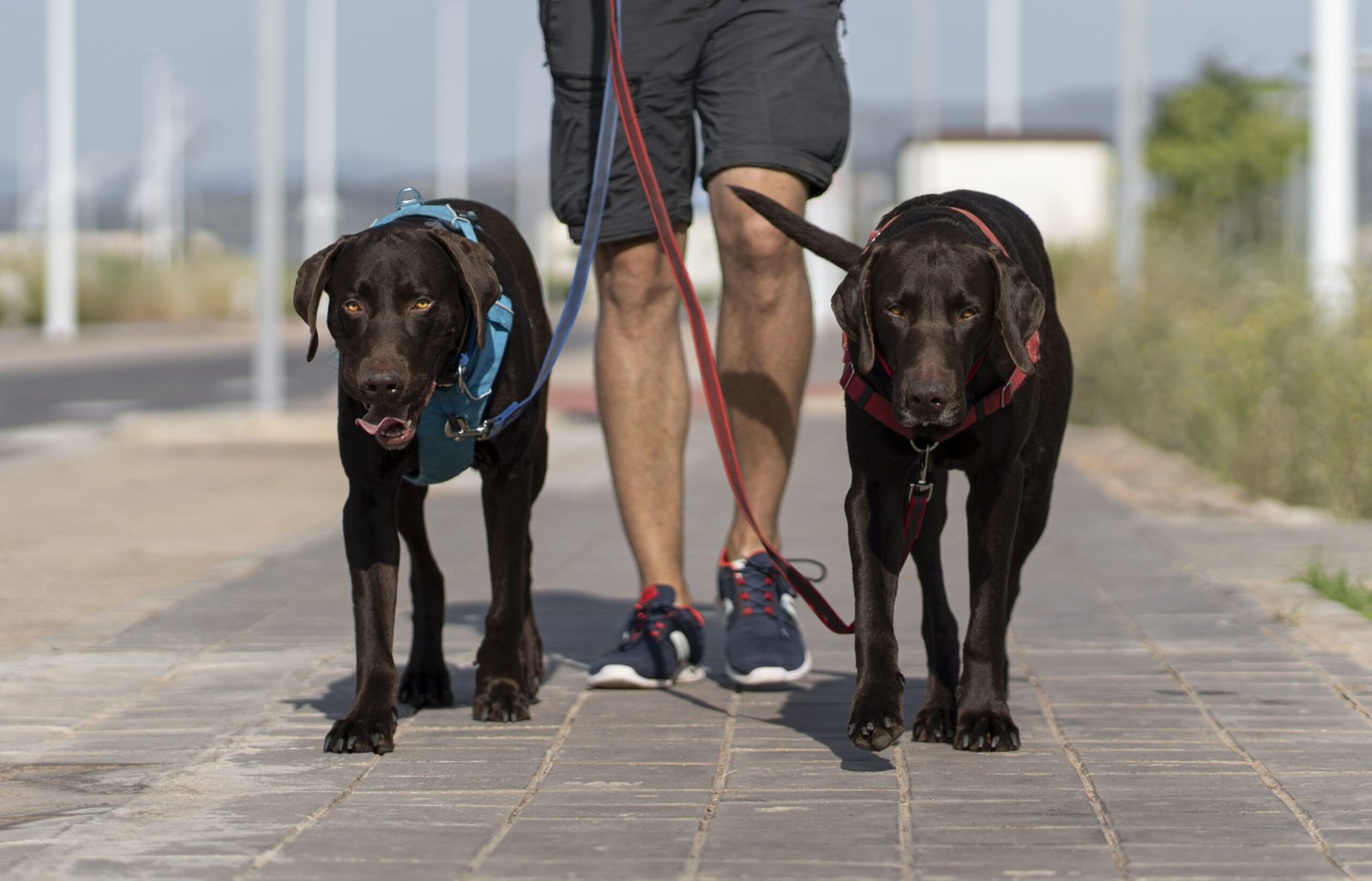
When shopping for dog gear, most people pay attention to fabric, padding, or how it looks. But the hardware, like clips, rings, buckles, and fasteners, often determines if the gear is safe, durable, and works well.
Low-quality hardware can make leads, harnesses, collars, and car restraints break. This guide explains the different types of dog gear hardware, when to use them, and how to pick the best option for your dog.
Why Dog Gear Hardware Matters
Dog gear hardware must handle:
- Sudden pulling or lunging
- Daily wear and tear
- Moisture, dirt, and temperature changes
- Your dog’s size, strength, and behaviour
Even strong webbing won’t help if the clip breaks. Choosing the right hardware keeps your dog safer and makes the gear last longer.
Common Types of Dog Gear Hardware
1. Trigger Clips (Snap Hooks)
Best for: Everyday leads and light-to-medium dogs. Trigger clips are spring-loaded and easy to use with one hand. However, cheaper versions can break under pressure or get stuck if dirt gets inside.
Look for:
- Solid metal construction
- Smooth spring action
- No visible gaps at the hinge
Avoid if: You have a strong puller or a large, powerful dog.
2. Bolt Snap Clips
Best for: Medium dogs and general walking
Bolt snaps work like trigger clips but are stronger. However, their springs can still wear out over time.
Tip: Stainless steel bolt snaps last longer in wet or coastal environments.
3. Carabiner-Style Clips
Best for: Strong dogs, reactive dogs, hiking, and training
Carabiners, especially locking types, are some of the strongest options available.
Advantages:
- Extremely strong
- Resistant to sudden force
- Locking versions help prevent accidental release.
The downside is that they are heavier and take longer to attach.
4. D-Rings and O-Rings
Best for: Attachment points on collars and harnesses
These rings connect leads, tags, or accessories.
Choose based on:
- Welded rings (stronger, safer)
- Thickness appropriate to dog size
- Rounded edges to prevent strap wear
Do not use thin, unwelded rings for anything that needs to support weight.
5. Buckles (Plastic vs Metal)
Plastic Buckles
Best for: Lightweight harnesses and small dogs
Modern plastic buckles can be strong, but their quality can vary a lot.
Check for:
- Thick plastic
- Secure locking “click”
- No flex when squeezed
Metal Buckles
Best for: Large dogs, working dogs, and long-term durability
Metal buckles weigh more, but they are much stronger and last longer.
Choosing the Right Material
Stainless Steel
- Rust-resistant
- Strong and durable
- They are ideal for wet climates, such as the UK.
Brass
- Corrosion-resistant
- Strong but heavier
- Common in premium gear.
Zinc Alloy
- Common and affordable
- The strength of zinc alloy hardware can vary widely among manufacturers.
- Fine for light use, not ideal for heavy pullers
Matching Hardware to Your Dog
Small Dogs
- Lightweight hardware to avoid strain
- Smooth edges to prevent rubbing
- Good-quality plastic or lightweight metal is usually enough.
Medium Dogs
- Metal clips and welded rings
- Stay away from hardware that is too thin.
Large or Strong Dogs
- Locking carabiners or heavy-duty bolt snaps
- Choose metal buckles instead of plastic ones.
- Only use thick, welded D-rings.
Red Flags to Watch Out For
- Visible seams or cracks in metal
- Springs that stick or feel weak
- Sharp edges or rough welds
- Plastic that bends easily
- Hardware that feels too light for its size
If hardware looks flimsy, it most likely is.

Final Thoughts
Dog gear hardware may not be exciting, but it is very important. Choose safety and quality: Check your dog’s gear today and replace any hardware you are unsure about to keep your dog safe and your equipment lasting longer.
Don’t wait for something to break. Check your dog’s gear now and take action. Secure, reliable hardware is the foundation of your dog’s safety.
Leave a Reply