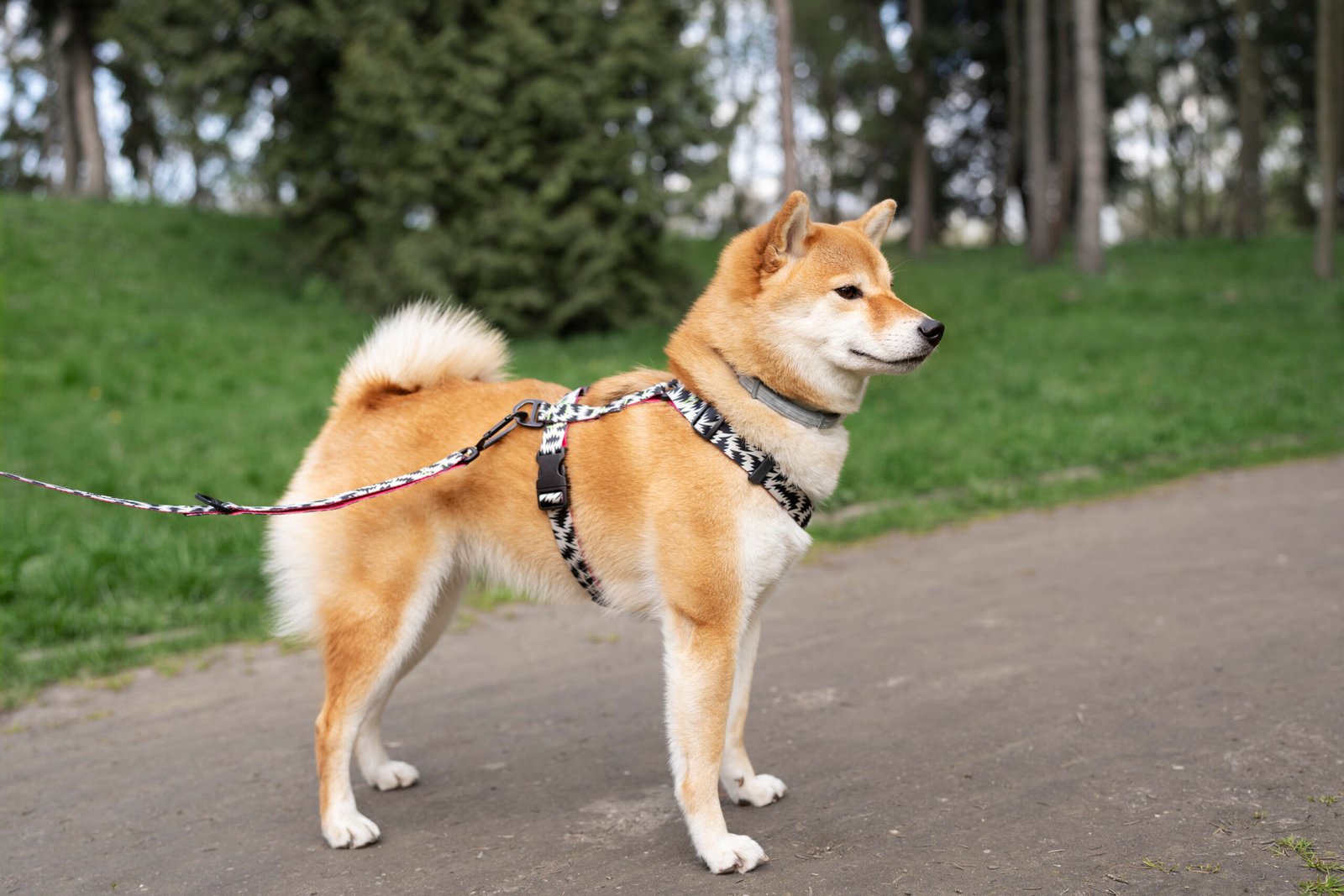
Walking your dog should be safe, comfortable, and fun. The harness you choose affects this. With so many options, picking the right one can be tough. This guide will help you choose the best harness for daily walks.
1. Understand the Benefits of a Harness
Harnesses distribute pressure more evenly across your dog’s body than collars do, reducing strain on the neck and protecting the trachea. They also provide better control, making walks safer, especially for energetic or strong dogs.
2. Consider Your Dog’s Size, Breed, and Behavior
- Size: Measure your dog’s chest and neck to ensure a proper fit. Most harnesses include a sizing guide.
- Breed: Some breeds, like Greyhounds or Bulldogs, have special body shapes and may need a different style of harness.
- Behavior: For dogs that pull, use a no-pull harness. If your dog walks calmly, use a basic harness.
3. Types of Dog Harnesses
- Back-Clip Harness: The leash clips onto the back. This type works well for small dogs or for well-trained dogs that don’t pull.
- Front-Clip Harness: The leash attaches at the chest, helping to reduce pulling by guiding movement.
- Dual-Clip Harness: This harness features both front and back clips, giving you more control options.
- Step-In Harness: This style is easy to put on, especially for dogs that dislike harnesses over their heads.
4. Key Features to Look For
- Adjustability: Choose harnesses with multiple adjustment points for a snug fit.
- Padding: Soft, breathable padding keeps your dog comfortable and prevents chafing.
- Reflectivity: Reflective strips or stitching make your dog easier to see in low light during walks.
- Easy to Clean: Pick a machine-washable harness for convenience.
- Sturdy Hardware: Look for strong buckles and D-rings to keep your dog safe and extend the harness’s lifespan. Fit and Comfort
A harness should fit well—you should be able to slip two fingers between it and your dog’s body. Check for rubbing or discomfort during and after walks.
5. Test and Adjust
Let your dog try the harness indoors first. Adjust the straps as needed to ensure your dog moves comfortably and securely.
6. Consult Your Veterinarian or Trainer
If unsure, ask your vet or a professional trainer. They can suggest harness options for your dog.
Conclusion
The right harness makes daily walks safer and more enjoyable. Consider your dog’s size, behavior, and comfort, and look for key features to find the best fit.
Leave a Reply